Acoustic Consultation and Design Services in NYC
Acoustic consultation and design is the process of evaluating a space, identifying its sound-related challenges, and developing a tailored plan to fix them — whether the goal is to reduce noise transmission, improve speech clarity, or create a controlled listening environment. As both a soundproofing consultant and an installation company, New York Soundproofing handles every stage of this process: from the first site assessment through final implementation.
Why Choose Our Acoustical Consultants in NYC
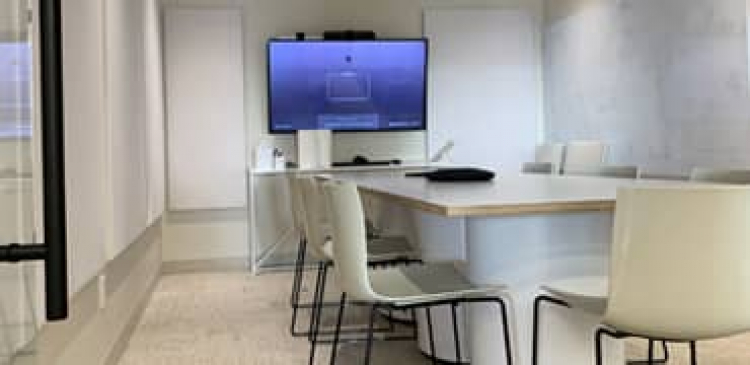
New York Soundproofing has provided acoustical consulting services across the city for years — residential, commercial, and professional studio environments. Our consultants combine technical expertise with direct field experience, which is what makes the difference between a recommendation that works and one that looks good on a diagram.
Professional Acoustic Specialists
Our acoustic specialists bring hands-on experience across hundreds of residential, commercial, and professional studio projects, with a team background that spans acoustical engineering, field measurement, and construction. We don't apply generic solutions — every recommendation is based on actual measurements, room geometry, construction materials, and how the space is used.
Clients choose us because our consultants understand both the technical side of acoustics and the practical constraints of real-world construction: building schedules, budget ranges, tenant agreements, and aesthetic requirements. That combination of technical knowledge and field experience is what separates a workable acoustic plan from one that stays on paper.
NYC Local Experience
Working as an acoustical consultant in NYC means navigating conditions that don't exist elsewhere - pre-war concrete construction, thin party walls in co-ops, mechanical noise from adjacent commercial tenants, and the constant pressure of street and transit sound. Our team has worked in these environments extensively and knows what actually works here.
We've completed acoustic design projects for video production studios, law offices, restaurants, apartment buildings, and commercial fit-outs across the city. Clients like Galaxy Visuals, Dom and Tom, PILnet, and Pipali NYC have documented their results - you can find their testimonials on our site.
Our Acoustic Design Services
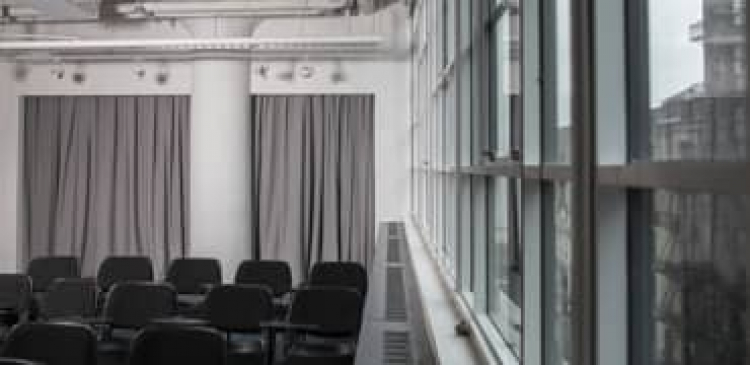
Acoustic design services at New York Soundproofing are organized around the type of space and the nature of the problem. Residential, commercial, and studio environments each have different performance requirements, and our acoustic design consultants adapt the approach accordingly.
Residential Acoustic Design
For homes and apartments, the most common issues are noise from neighbors, street sound, HVAC systems, and poor room acoustics in home offices or media rooms. An acoustics specialist assesses the specific transmission paths — walls, floors, ceilings, windows, doors — and recommends solutions that address root causes rather than symptoms.
Typical residential acoustic consultation and design work includes wall and ceiling assembly recommendations, window treatment specifications, door seal selection, and acoustic panel placement for rooms where sound quality matters. We can work with your contractor or handle installation directly.
Commercial Acoustic Solutions
In offices, restaurants, hospitality spaces, and healthcare facilities, acoustic performance directly affects how people work, communicate, and feel in a space. Poor acoustics in an open office lead to distraction and reduced privacy. Excessive reverberation in a restaurant makes conversation difficult and drives customers out.
Our acoustical design services for commercial clients cover both noise control and room acoustics. We evaluate the space, run measurements where needed, and develop a specification that can be incorporated into a renovation project or implemented in a finished space with minimal disruption.
Studio Acoustic Consultation
Recording studios, podcast rooms, home studios, and broadcast spaces require precise acoustic control that goes beyond standard soundproofing. Our studio acoustic consultation covers room mode analysis, reverberation time targets, surface treatment placement, and isolation requirements based on the intended use of the space.
We work with both new builds and existing rooms. For existing spaces, our focus is on identifying the most impactful interventions given the constraints of the construction. For new builds, we can provide specifications early in the design process to ensure the room performs as intended from day one.
Acoustic Consultation Process
Our consultation process is structured around three stages: understanding the problem, developing the solution, and supporting the build. Each stage builds on the previous one, so nothing gets missed and the final result matches what was designed.
Initial Assessment
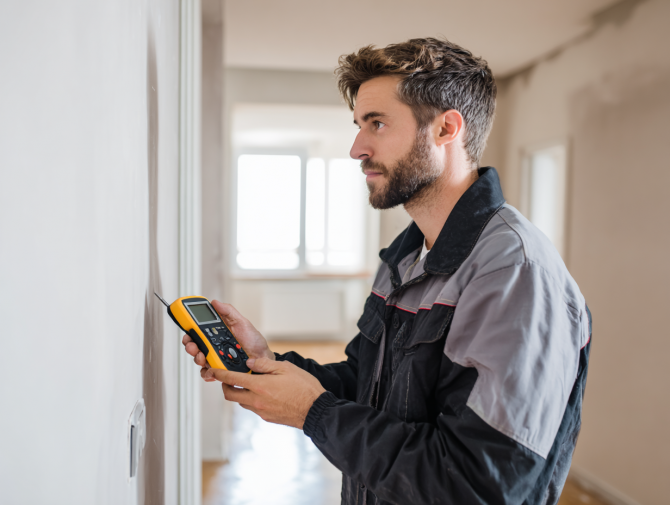
Every engagement begins with a thorough evaluation of the space. For most projects, this means an on-site visit where our acoustical consultant reviews the construction, identifies noise sources, documents existing conditions, and conducts a noise assessment with measurements where relevant.
For projects outside the NYC area or for clients who prefer it, we offer virtual consultations via video call. You walk us through the space, share any available floor plans or construction details, and we develop our assessment from that information.
The goal of the initial assessment is to define the problem precisely - not just "there's too much noise," but where it's coming from, how it's traveling, and what performance level is achievable given the space.
Design Phase
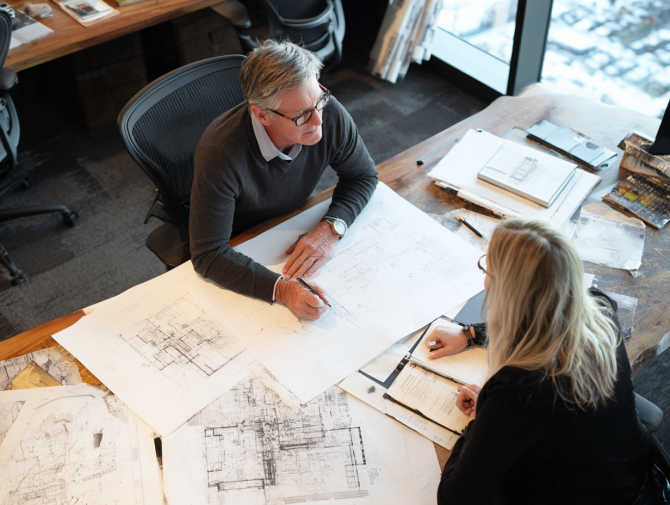
Following the assessment, we prepare a written acoustic consultation and design report that outlines recommended solutions, material specifications, and implementation options. The report is detailed enough to be handed to a contractor or used as a basis for permitting if required.
We don't produce generic recommendations. Each report is specific to the space, the measured or observed conditions, and the client's priorities. Where there are multiple viable approaches - for example, different levels of isolation achievable at different costs - we present those options clearly so you can make an informed decision.
Implementation Support
Our involvement doesn't end with the design document. We're available to answer contractor questions during the build, review material substitutions, and conduct follow-up measurements to confirm that the finished work meets the target specifications.
For projects where we're also handling installation, our design team and installation crew work from the same set of documents, which eliminates the coordination gaps that often affect acoustic projects when design and construction are handled by separate parties.
Types of Acoustic Projects We Handle
New York Soundproofing works across a wide range of project types. Our acoustic specialists are experienced with both straightforward noise complaints and complex multi-source acoustic problems.
Noise Control Solutions
Noise control projects focus on reducing sound transmission between spaces — between apartments, between a mechanical room and an office, between a street-facing facade and an interior room. As noise control consultants, we look at how sound travels through a specific assembly and specify the right combination of mass, decoupling, and absorption to achieve a measurable reduction.
Common project types include:
- Apartment-to-apartment airborne and impact noise
- HVAC and mechanical equipment noise in occupied spaces
- Street noise through windows and facades
- Noise from adjacent commercial tenants
Sound Quality Optimization
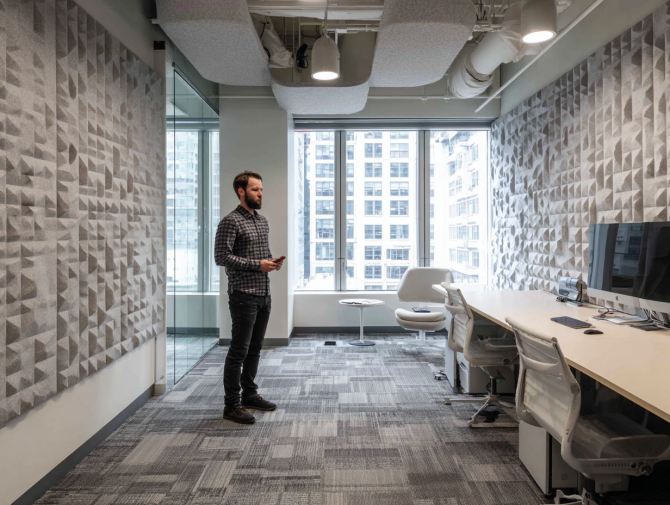
Not every acoustic problem is about too much noise. Many spaces suffer from poor acoustics - excessive echo, uneven frequency response, or speech intelligibility issues that make the space uncomfortable or functionally limited. Our consultants work with building owners, architects, and interior designers to specify acoustic treatment that improves the listening environment without compromising the design.
An echo-heavy conference room, a restaurant with reverb problems, a home theater that doesn't sound like the investment it was — this is the type of work we do regularly. Our consultants work with building owners, architects, and interior designers to specify acoustic treatment that improves the listening environment without compromising the design.
Vibration Analysis
In some cases, the problem isn't airborne sound — it's structure-borne vibration. Mechanical equipment, heavy foot traffic, and HVAC systems can transmit vibration through a building's structure in ways that are difficult to diagnose without measurement. This is acoustic engineering work grounded in data: our acoustic specialist team identifies vibration sources, measures transmission levels, and recommends isolation solutions appropriate to the specific situation.
NYC Acoustic Regulations and Compliance
Acoustic work in New York City doesn't happen in a regulatory vacuum. Both the building code and local noise ordinances set specific requirements that affect how projects are designed, permitted, and built - and non-compliance can result in violations, fines, or mandatory rework.
Building Code Requirements
New York City has specific building code requirements related to acoustic performance, particularly for residential occupancies and mixed-use buildings. The NYC Building Code references minimum STC (Sound Transmission Class) ratings for party walls and floor-ceiling assemblies between dwelling units, and these requirements affect renovation projects as well as new construction.
Working with an acoustical consultant who understands how these requirements apply to your specific project type can prevent costly rework. We help clients determine what compliance looks like for their project and specify assemblies that meet or exceed code requirements.
Noise Ordinances
Beyond the building code, NYC has noise ordinances enforced by the Department of Environmental Protection that set limits on permissible noise levels for construction activity, mechanical equipment, and commercial operations. For businesses operating in noise-sensitive locations - near residential buildings, schools, or hospitals - understanding these limits is important before making decisions about equipment placement, operating hours, or building modifications.
Our team has worked with clients navigating DEP noise complaints, building violation responses, and pre-construction acoustic impact assessments — the situations where an experienced noise consultant saves both time and money. If you need an acoustical consultant near you who understands the local regulatory environment, we can help you work through compliance requirements alongside the technical acoustic work.

Schedule Your Acoustic Consultation in NYC
Every acoustic problem starts the same way — with a conversation about what you're hearing and what you want to change. Our acoustic consultancy services cover everything from a single noisy wall in a Brooklyn apartment to complete acoustic engineering services for a commercial renovation.
📞 Call (877) 999-2201 or Request Your Free Quote. On-site visits across all five boroughs, virtual consultations anywhere else.
FREQUENTLY ASKED QUESTIONS
What is the purpose of hiring an acoustic consultant?
An acoustic consultant provides a thorough assessment of your space's acoustic characteristics. It helps identify challenges such as echo, reverberation, and sound imbalance. This process is crucial for designing a tailored acoustic solution that enhances the overall sound quality and comfort of your space.
How do I know if my space needs an acoustic consultation?
If you experience issues like poor speech intelligibility, excessive echo, or an overall lack of acoustic comfort, your space may benefit from an acoustic consultation. Whether it's a residential area, office, or commercial space, an assessment can pinpoint specific acoustic challenges and guide the design process.
What does the acoustic design process involve?
New York Soundproofing's acoustic design process typically begins with a thorough assessment of your space, considering its size, purpose, and existing acoustic conditions. Our design experts then create a customized plan that may include the strategic placement of acoustic panels, diffusers, bass traps, and other materials to achieve the desired acoustic goals.
Can acoustic design enhance both music and speech quality in a space?
Yes, acoustic design can significantly improve both music and speech quality. By addressing issues like excessive reverberation, echo, and sound imbalances, the design process aims to create an acoustic environment that is well-suited for various activities, including listening to music and engaging in clear conversations.
How long does it take to see the results of acoustic design implementation?
The timeframe for seeing noticeable results depends on the complexity of the acoustic design and the size of the space. In some cases, improvements may be immediately apparent, while in others, it might take a few weeks to fully experience the optimized acoustic environment. The goal is to achieve lasting and effective results over time.
How do NYC building codes affect acoustic projects?
The NYC Building Code sets minimum STC (Sound Transmission Class) ratings for walls and floor-ceiling assemblies in residential and mixed-use buildings. These requirements apply to renovations as well as new construction. We help clients identify what compliance looks like for their specific project and specify assemblies accordingly.
Do you work with contractors, or do you handle installation yourselves?
Both. We can provide a design report detailed enough to hand off to your contractor, or we can manage installation directly. When we handle both design and installation, the same team works from the same documents, which eliminates the coordination gaps that often affect acoustic projects.
What's the difference between soundproofing and acoustic treatment?
Soundproofing reduces sound transmission between spaces — blocking noise from coming in or going out. Acoustic treatment addresses how sound behaves inside a room — controlling echo, reverberation, and speech clarity. Many projects require both, and we handle each.
Do you offer virtual consultations?
Yes. For projects outside the NYC area or clients who prefer it, we conduct consultations via video call. You walk us through the space, share floor plans or construction details, and we develop our assessment from that information.

New York's Soundproofing Experts
We specialize in creating highly-customized sound environments such as home offices, recording studios, home studios and music rooms, conference & teleconference rooms, bars and clubs, offices, restaurants, temples, churches, school auditoriums and much more.