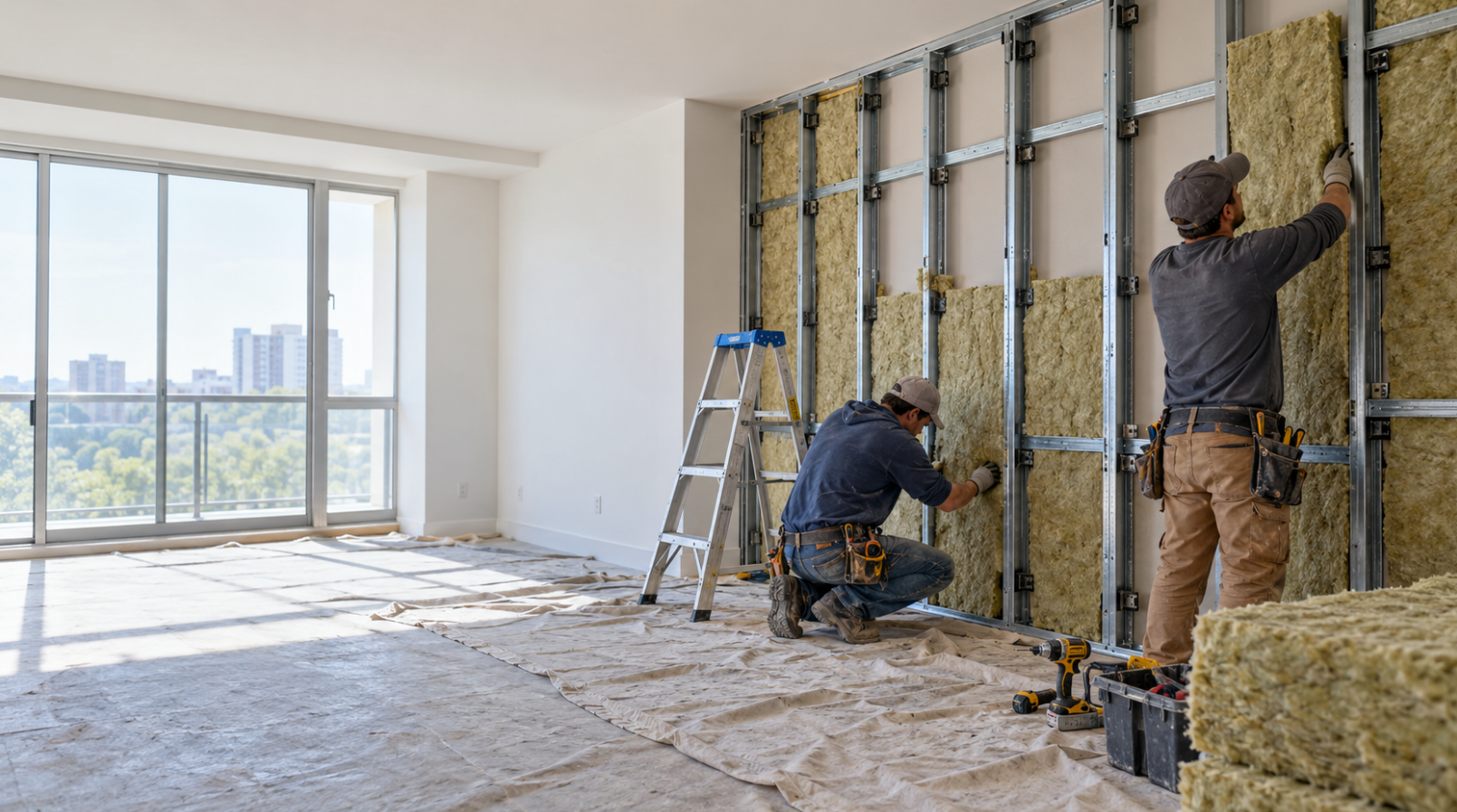
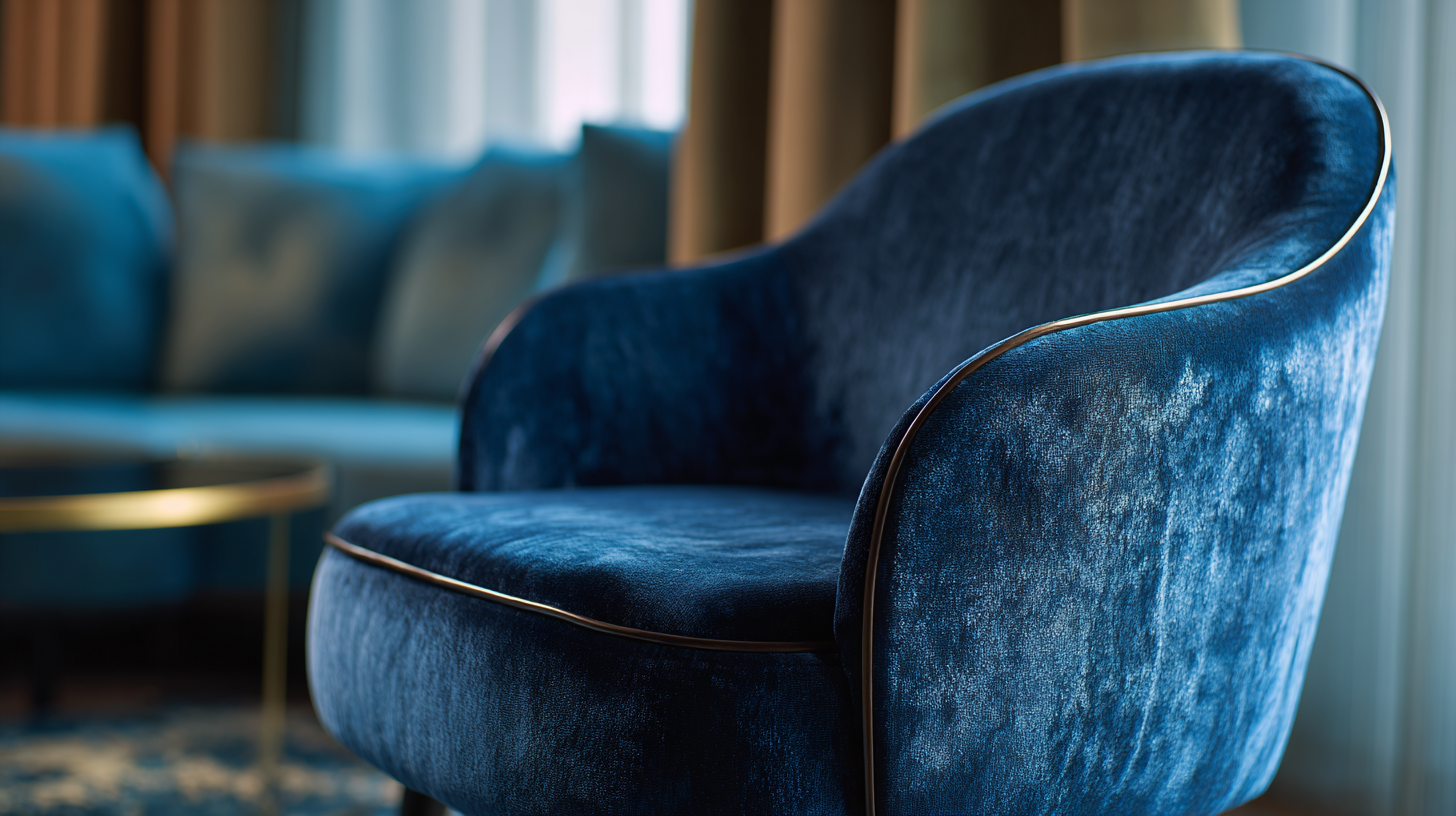
You sink into your favorite armchair after a long day. The cushions embrace you. The fabric feels soft against your skin. That comfort? It's all about upholstery.
But what is furniture upholstery exactly? And why should you care beyond basic comfort?
This guide covers everything: what upholstery means, the different types, materials inside and out, and when professional services make sense.
Let's start with the basics.
What Is Upholstery?
So what is upholstery? Simply put, it's the craft of covering furniture frames with soft materials. Padding, springs, webbing, and fabric all come together to transform a bare wooden skeleton into something you'd actually want to sit on.
The word comes from the Middle English "upholder," referring to tradespeople who held up or maintained furnishings. Today, it describes both the process and the materials themselves.
What does upholstered mean in practical terms? It means a piece of furniture has been wrapped in layers of cushioning and covered with fabric or leather. A wooden dining chair is not upholstered. Add a padded seat cushion covered in linen, and now it is.
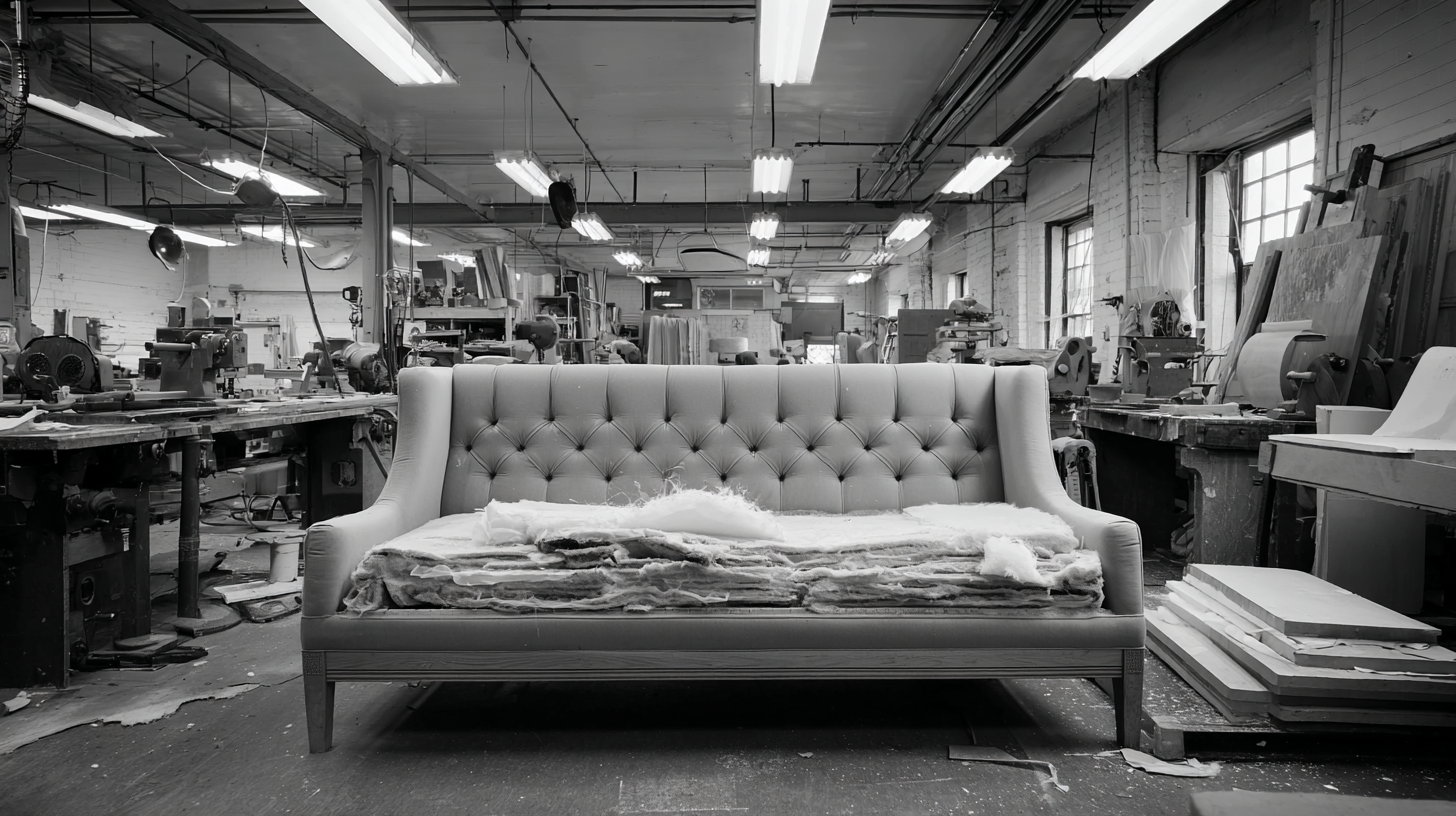
Think of it like building a sandwich. The frame is your bread. Springs and webbing provide structure, like a sturdy plate underneath. Foam and batting create the filling. And the outer fabric is the top slice that holds everything together and looks appealing.
Every layer serves a purpose. Skip one and the whole thing suffers. Cheap furniture often cuts corners on the invisible layers. You won't notice immediately. But after a year of daily use, you'll feel every shortcut in your aching back.
Types of Upholstered Furniture
What is considered upholstery extends far beyond sofas. Almost any furniture piece can be upholstered if it has surfaces meant for sitting, leaning, or resting against. Here's what you'll encounter most often.
Sofas and Sectionals
The sofa is upholstery's flagship product. From compact apartment loveseats to sprawling L-shaped sectionals, these pieces showcase the full potential of the craft.
Modern sectionals have become particularly popular in NYC living rooms. They maximize seating in tight spaces while offering modular flexibility. Move next month? Reconfigure the sections to fit your new layout.
Quality varies enormously here. A well-built sofa uses kiln-dried hardwood frames, eight-way hand-tied springs, and high-density foam wrapped in down. Budget options substitute particle board, zigzag springs, and low-resilience foam. Both look similar in the showroom. Only one survives a decade of actual use.
The fabric choice matters too. High-traffic households need durable performance fabrics. Formal living rooms can indulge in delicate velvets. Your lifestyle should dictate the material.
Chairs and Armchairs
The meaning of upholstered furniture becomes clear when you compare a wooden kitchen chair to a plush club chair. One is functional. The other invites you to stay awhile.
Dining chairs increasingly feature upholstered seats and backs. Comfort during long dinner parties. Easy to clean with the right fabric. A simple upgrade that transforms everyday meals.
Accent chairs bring personality to corners and reading nooks. Wingback chairs, barrel chairs, slipper chairs. Each silhouette creates a different visual impact. The upholstery fabric often serves as the room's statement piece.
Office chairs deserve special mention. You spend eight hours a day in yours. Quality upholstery with proper ergonomic support isn't a luxury. It's healthcare. Mesh backs have gained popularity, but traditional upholstered executive chairs remain the comfort standard.
Beds and Headboards
The upholstered bed refers to bed frames wrapped partially or fully in padded fabric. Most commonly, this means a soft headboard. But fully upholstered platforms encase the entire frame in cushioned material.
Why choose an upholstered headboard? Comfort, mainly. Sitting up to read or watch TV becomes genuinely pleasant when you're leaning against padded fabric instead of wood or metal. The soft surface also protects walls from damage and reduces noise when the bed shifts.
Upholstered beds bring warmth to bedrooms that might otherwise feel cold or sparse. They anchor the room visually. A tall tufted headboard in rich velvet makes a statement no wooden frame can match.
Fabric selection matters particularly here. You'll lean against this surface nightly. Durability and cleanability should rank high. Performance fabrics resist stains and wear better than natural fibers in this application.
Ottomans, Benches, and Beyond
What is upholstered furniture beyond the obvious categories? More than you might expect.
Ottomans serve as footrests, extra seating, and coffee table alternatives. Storage ottomans hide blankets and magazines. Cocktail ottomans anchor seating arrangements. All rely on quality upholstery to look good and last.
Benches appear at dining tables, entryways, and bedroom ends. Upholstered versions add comfort and visual softness. A leather bench in a foyer says something different than a tufted velvet one. Both communicate intentional design.
Window seats transform awkward alcoves into cozy reading spots. Built-in banquettes maximize restaurant and kitchen seating. Wall panels, technically upholstered furniture, add texture and acoustic benefits to commercial and residential spaces alike.
At New York Soundproofing, we see these pieces differently than most. Every upholstered surface absorbs sound. Strategic placement of padded furniture improves room acoustics naturally. That ottoman isn't just comfortable. It's quietly fighting echo.
Upholstery Materials
Understanding what upholstery means requires looking beyond the visible fabric. The materials you can't see often matter more than the ones you can.
The Inner Layers
Every piece of upholstered furniture starts with a frame. Quality frames use kiln-dried hardwood like oak, maple, or ash. The kiln-drying process removes moisture and prevents warping over time. Budget furniture substitutes particle board, plywood, or softwoods that crack and loosen within years.
Corner joints tell the story. Doweled, screwed, and glued joints last. Stapled-only connections fail. You can't see this in showrooms. But you can ask. Reputable manufacturers proudly describe their construction methods.
Springs and webbing come next. Eight-way hand-tied coil springs represent the gold standard. Each spring connects to its neighbors in eight directions, creating unified support that distributes weight evenly. Sinuous springs, those S-shaped zigzag wires, cost less but offer less comfort and durability. Webbing underneath prevents springs from poking through.
Foam and batting create the cushioning you actually feel. High-density polyurethane foam maintains shape under daily use. Memory foam contours to your body. Low-density foam compresses permanently and develops uncomfortable valleys. Batting wraps the foam, softening edges and adding plushness. Down wrapping over foam creates that luxurious sink-in feeling.
Fabric Options
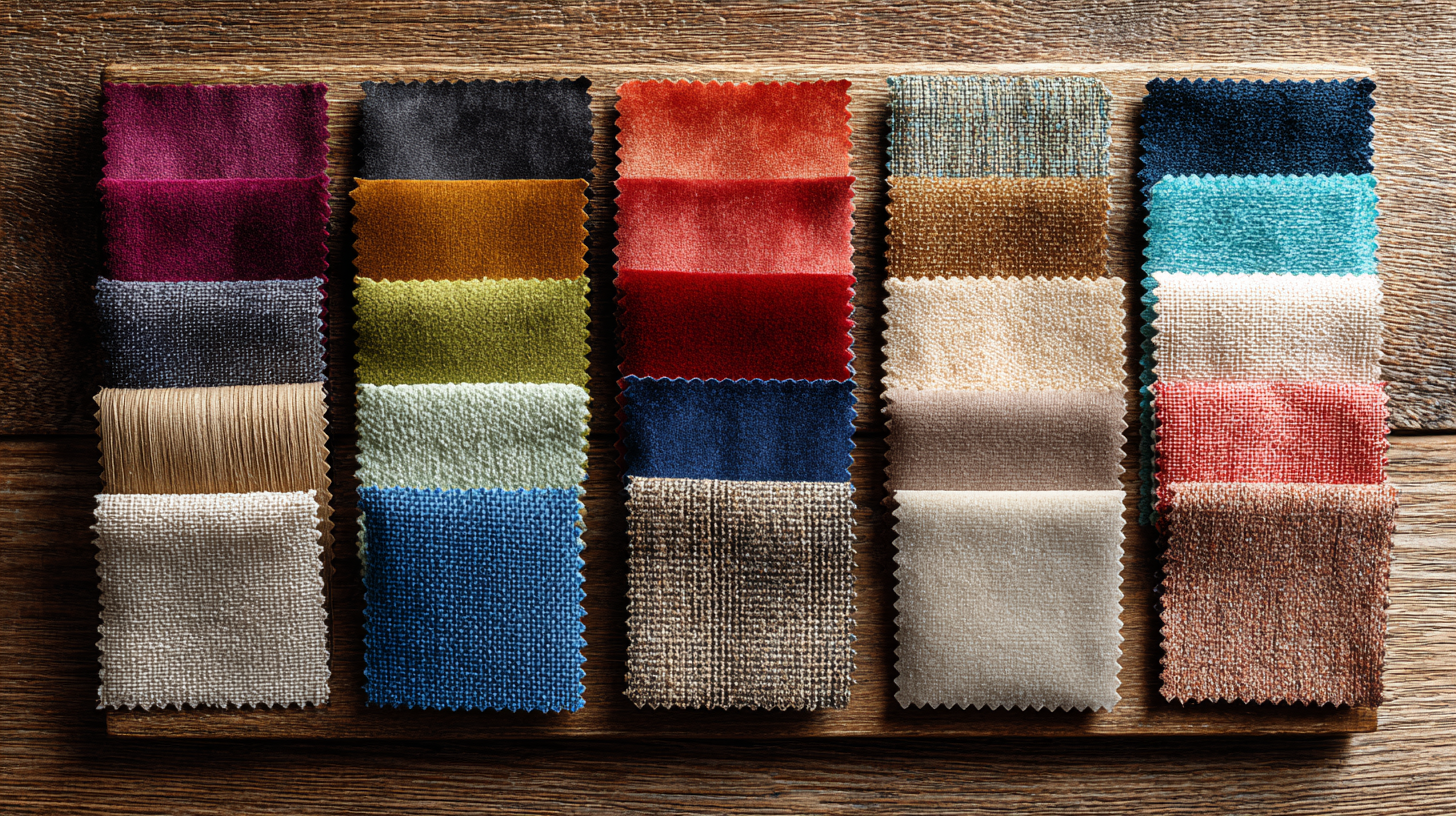
The outer layer is where aesthetics meet practicality. Dozens of fabric types exist. Here are the most common.
Cotton breathes well and feels natural against skin. It's affordable and comes in endless colors and patterns. But it wrinkles, fades in sunlight, and stains relatively easily. Best for low-traffic pieces or slipcovers you can wash.
Linen offers sophisticated texture with a relaxed look. It softens beautifully over time. However, it wrinkles dramatically and shows wear quickly. Not ideal for family rooms with kids and pets.
Velvet brings drama and luxury. Modern performance velvets resist stains and crushing better than traditional versions. The fabric catches light beautifully. It does require regular maintenance to look its best.
Microfiber has become a family favorite. Stain-resistant, durable, soft to the touch. It lacks the prestige of natural fibers but handles real life gracefully. Easy to clean with just soap and water.
Performance fabrics represent the newest category. Engineered for durability, stain resistance, and fade resistance while maintaining an attractive appearance. Brands like Crypton and Sunbrella lead this space. They cost more but justify the investment in high-use situations.
Leather and Faux Leather
Leather remains the premium choice for many buyers. Genuine leather ages beautifully, developing character over decades. It's naturally durable and easy to clean. Temperature regulation keeps it comfortable year-round. The investment pays off over the long lifespan of quality leather furniture.
Full-grain leather shows the hide's natural surface, including imperfections. It costs the most but wears best. Top-grain leather sands away imperfections for a uniform look. Bonded leather mixes leather scraps with synthetic materials. It looks like leather initially but peels and cracks within years. Avoid it.
Faux leather has improved dramatically. Modern polyurethane versions look convincing and resist cracking better than older vinyl options. They offer leather aesthetics at a lower cost and appeal to those avoiding animal products. Just don't expect the same longevity as genuine leather.
Acoustic Fabrics
Here's where New York Soundproofing brings unique expertise. Not all fabrics interact with sound equally.
Tightly woven fabrics reflect sound waves. Loosely woven textiles allow sound to pass through and get absorbed by the padding beneath. When what is upholstered furniture meets acoustic science, the results matter for your room's sound quality.
We specify acoustic-grade fabrics for wall panels, but the same principles apply to furniture. A velvet sofa absorbs more sound than a leather one. Heavily textured upholstery outperforms smooth surfaces acoustically. Strategic furniture choices complement dedicated acoustic treatment.
Professional Upholstery Services - What to Expect
Working with professional upholsterers transforms the experience from gamble to guarantee.
The process begins with consultation. Experts assess your piece, examining frame integrity and discussing your vision. They'll be honest about whether restoration makes sense. Trustworthy professionals sometimes recommend against their own services when a replacement serves you better.
Material selection follows. You'll choose from fabric samples, comparing colors, textures, and durability ratings. Professionals guide these decisions based on your lifestyle. Kids and pets? They'll steer you toward performance fabrics. Formal living room? Luxurious options become practical.
Timeline varies with complexity. Simple dining chair seats take days. Full sofa restoration requires weeks. Quality work can't be rushed. Patience delivers better results.
At New York Soundproofing, our furniture upholstery services combine traditional craftsmanship with acoustic awareness. We help clients select materials that look beautiful, wear well, and contribute positively to room acoustics. It's a holistic approach most upholsterers don't consider.
Ready to restore your furniture or explore acoustic-friendly upholstery options? Contact us today or call (877) 999-2201 for a consultation.