
.png)
If you live in New York City long enough, you start to understand just how powerful sound can be. It fills the room without asking permission. It slips through thin glass at 2 a.m., creeps into your work calls, and steals silence from the moments when you need it most. At New York Soundproofing, we work with homeowners who have spent years trying to tame the city's noise, only to discover that the simplest and most elegant solution was something they hadn't heard much about before: window inserts.
Many people come to us asking, what are window inserts exactly? The term can feel unfamiliar, even a little technical. But the concept is beautifully simple. A window insert is a custom interior panel that sits inside your existing window frame and creates a controlled, sealed air space that dramatically reduces the transfer of sound. It turns your original window into part of a quiet system without replacing anything. For New Yorkers, that detail matters because it means no demolition, no building approvals, no months of planning. Just a smarter way to stop noise.
Before exploring the different types of inserts or how they compare to full replacement windows, it helps to understand why this solution works so reliably in a city with sound challenges that range from midnight sirens to buses shaking the pavement.
How Acoustic Window Inserts Work
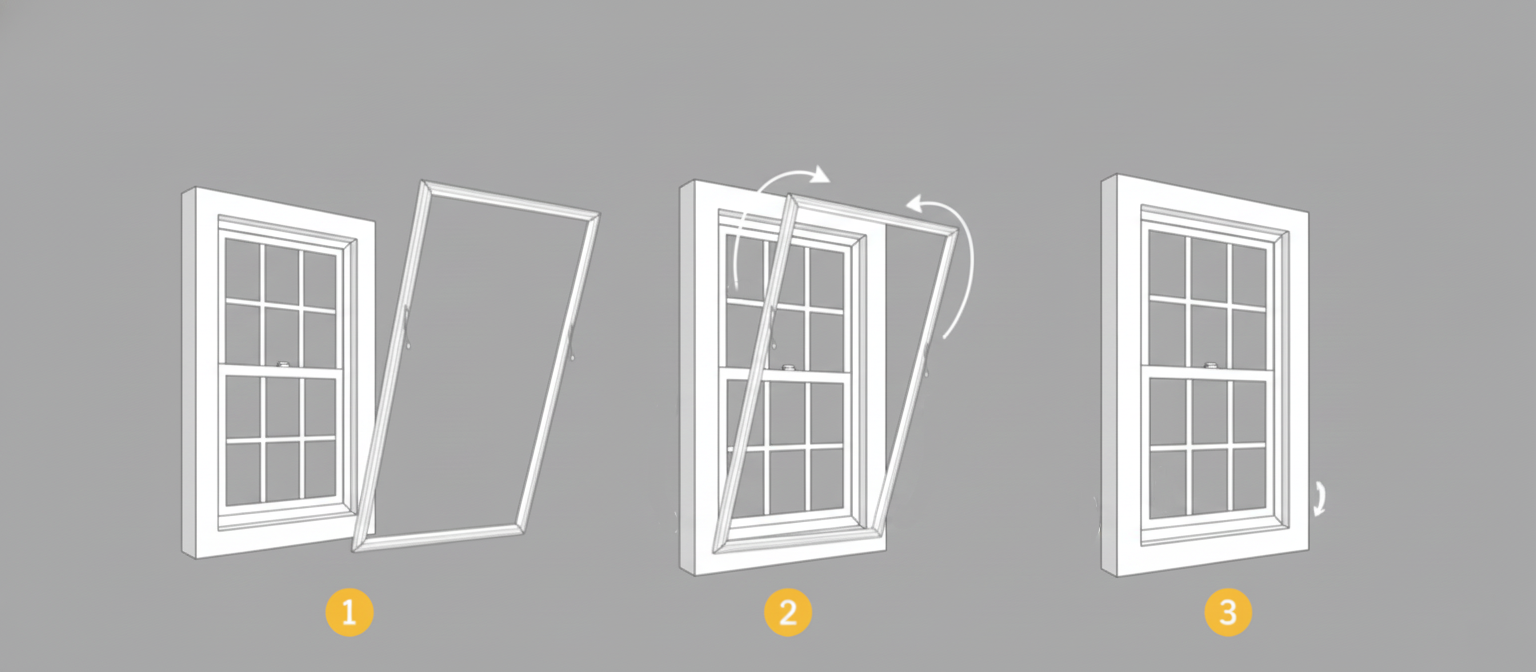
Most people assume noise enters a room because the window is "thin" or "old." The truth is more nuanced. Noise travels through air, through vibration, through gaps invisible to the eye. A standard single or double-pane window does very little to interrupt that movement. To block sound effectively, you need two things: mass and separation. Inserts take advantage of both.
An acoustic insert adds another physical barrier between you and the outdoors, but the real magic happens in the controlled air gap between the insert and the existing window. That space becomes an acoustic buffer. Sound waves lose energy as they travel through it. Vibrations flatten out. High frequencies soften first, then the deeper resonance of traffic fades as well. This layered effect often surprises people. We see clients step back after installation, pause for a moment, and realize the city they've been living in has suddenly gone quiet in a way they didn't think was possible.
Because the insert seals tightly around the frame, outdoor air can't leak through the same paths that noise loves to travel. What seems like a small detail actually plays a huge role in performance. A perfectly built acoustic system with even one small gap won't do its job. This is why our team spends as much time on measurement and sealing as we do on the insert itself.
For those who still wonder do window inserts work for serious city noise, the answer is clear once you hear the difference. The effectiveness comes from physics, not marketing. And physics is very reliable when you apply it correctly.
Types of Window Inserts for Noise and Insulation
Not all inserts are built the same way, and that's a good thing because New York apartments are anything but uniform. A loft in SoHo, a brick townhouse in Park Slope, and a high-rise condo in Midtown all behave differently acoustically. To get real results, the insert has to match the conditions of the space.
Thermal Inserts vs. Acoustic Inserts
Some inserts are built primarily for thermal performance. These window inserts for insulation work well in reducing drafts and improving energy efficiency by tightening the building envelope. They are lightweight, clear, and often used during cold-weather months in older buildings. They do offer minor sound benefits, but they are not engineered for true noise control.
Acoustic inserts are built with a different mission. Using thicker glazing, vibration-stable framing, and precision seals, they create a controlled air gap that reduces noise across multiple frequency ranges. When someone asks what are acoustic window inserts compared to basic insulation options, the difference comes down to engineering. Acoustic models are part of comprehensive soundproof window solutions, targeting vibration, resonance, and airborne noise with far more intention than standard insulating panels.
Hybrid Models and How to Choose
There are also hybrid models that combine moderate sound reduction with improved insulation. These appeal to homeowners looking for a balanced upgrade, especially in prewar buildings where drafts and noise go hand in hand. Each type has its place, but the best insert is the one chosen for the specific problems in your room, not the one that simply promises the most features.
Do Window Inserts Work for NYC Apartments
.png)
Living in New York changes the equation. The noise is louder. The buildings are older. The windows are often out of square by half an inch or more. And the sound environment outside changes block by block. A quiet residential street in Brooklyn Heights has nothing in common with a third-floor walk-up facing an avenue in Harlem. This is why homeowners ask us not just whether inserts work but whether they work here.
In the overwhelming majority of NYC projects, inserts outperform expectations. They excel in apartments where noise isn't just a nuisance but a constant pressure. They help tenants in rentals who cannot modify the existing windows. They offer relief in landmarked buildings where rules limit exterior changes. They help families with newborns, creatives who record audio, remote workers fighting through daily distractions, and anyone desperate for a small island of quiet inside the chaos of the city.
Some clients ask us right away what is an insert window and whether it's enough to tame extreme noise. The answer depends on the severity of the problem. For moderate to heavy street noise, well-built inserts deliver a dramatic reduction. For subway-adjacent buildings or windows facing major express bus routes, inserts still help significantly but may be paired with additional acoustic treatment depending on goals. The beauty of inserts is that they solve most issues without requiring construction, demolition, or permission from a board.
When installed correctly, the relief is immediate. It feels like someone turned the city down to a comfortable volume, even when traffic is still roaring outside. That moment of quiet is why so many New Yorkers choose inserts before considering bigger renovations.
Window Inserts vs Full Window Replacement
Homeowners often come to us after spending months researching all the ways to tame noise in their apartments. At some point, they reach the same fork in the road. Should they install inserts or replace the entire window? The two solutions are not competitors. They solve different problems in different ways. Understanding the difference saves people thousands of dollars and helps them avoid changes they may not need.
The Case for Replacement
Full window replacement is a structural upgrade. It involves removing the existing window, adjusting the opening if needed, installing a brand-new frame, adding laminated or acoustic glass, sealing the system, and sometimes navigating a maze of co-op approvals. Replacement is ideal when the existing window is damaged, leaking, unstable, or severely outdated. It is also the right choice when the building envelope itself needs improvement, not just the acoustic performance of the interior. Replacement windows bring thermal benefits, security upgrades, energy savings, and architectural improvements. The process, however, requires more time, more labor, and often more budget.
The Case for Inserts
Inserts live in a different category. They are not meant to compete with brand-new windows. They are designed to transform the performance of the windows you already have. For many people, that distinction matters more than they expect. In landmarked buildings where exterior alterations are prohibited, inserts are often the only viable option. In rentals, they are a lifesaver because they deliver acoustic improvement without touching the landlord's property. In co-ops, they make life easier because the interior installation means fewer approvals and far less disruption.
So Which One Performs Better?
Homeowners sometimes ask whether inserts work as well as replacements for blocking noise. The answer depends on the noise profile, the condition of the existing window, and the room's construction. In many NYC apartments, inserts outperform replacements when it comes to pure acoustic reduction because they create a large, controlled air gap. Replacements, even premium laminated ones, may provide less air space simply because they need to fit within the original opening. The best choice is the one that aligns with your goals. Comfort. Silence. Budget. Building rules. A good solution never fights the space it is installed in. It adapts to it.
How to Choose the Right Insert for Your Space
Choosing the right insert is not about reading a list of features. It is about matching the acoustic behavior of your home with the correct engineering. New York apartments vary wildly. One room may face a quiet courtyard while another faces a street with constant bus traffic. A single solution rarely works for every window in the home.
Start with the Noise
The first step is to understand what type of noise bothers you most. High-frequency sounds like voices or sharp clatter behave differently from low-frequency rumble produced by trucks, subways, or heavy traffic. Inserts built with lightweight glazing help with some frequencies, while more advanced acoustic models handle a wider spectrum. A homeowner who needs insulation for winter drafts may choose a different option than someone trying to sleep through nightlife on a busy avenue.
Check the Frame
Another factor is the condition of the existing window. If the frame is extremely uneven or the sash is loose, the insert must be measured and sealed with greater precision. Good installation is what determines performance. Even the best panel struggles when installed over a compromised frame that moves or leaks air. This is one of the reasons homeowners reach out to our team instead of taking quick measurements themselves. In a city where no two frames are ever the same, precision is not optional.
What to Expect Long-Term
Many clients also ask about long-term durability. An insert should be rigid, stable, and resistant to warping. It should open or remove easily for ventilation. It should stay clear and clean without yellowing. Most importantly, it should feel like part of the home, not an accessory that takes up space. When done well, inserts blend into the architecture so quietly that guests barely notice them until the moment they realize the room is unnaturally peaceful.
For people still asking what are window inserts and whether they suit their particular building, the answer is almost always yes. The real question becomes which insert is right, because each home, each street, and each building demands its own approach.
Let`s Find the Best Solution for You
New York Soundproofing has helped countless New Yorkers bring quiet back into homes where noise feels constant. We`ve worked in brownstones, high-rises, small rentals, and family apartments - and every space has its own challenges. Our job is to understand yours and identify the level of silence you want to achieve.
Some clients come to us still figuring out what is an insert window, while others reach out after reviewing our apartment soundproofing options at newyorksoundproofing.com/appartment-soundproofing. Either way, the process begins with a conversation and a quick look at your windows, your building, and the noise patterns affecting your daily life.
From there, we recommend the right path - whether that`s a simple interior insert, a more advanced acoustic upgrade, or a combination designed for tougher street-facing rooms.
If noise is shaping how you sleep, work, or relax, window inserts may be the most effortless way to change that. Let`s take a look at your space and find the solution that finally gives you the comfort you`ve been missing.