.png)
If you live in New York City long enough, you eventually learn which noises you can tolerate and which ones steal your peace. Sirens at 2 a.m., delivery trucks at sunrise, weekend crowds beneath your window-there are sounds you simply cannot "get used to." As experts who have spent more than a decade transforming noisy apartments, brownstones, and commercial spaces across NYC, we get one question more than any other: How much do soundproof windows cost?
There isn't a single number. There's a realistic range shaped by the materials, the performance level you expect, and the unique construction of your building. And because no two NYC spaces behave the same acoustically, the answer deserves a proper explanation rather than a quick quote.
Before diving in, here is one thing every homeowner should know: soundproofing windows is not just about blocking noise. It is about reclaiming your focus, your sleep, and your privacy. When done right, the difference is dramatic enough that clients often say, "I wish I had done this years ago."
Average Price of Soundproof Windows by Type
Most homeowners start their research assuming all soundproof window options work the same way. They don't. The construction, the glass composition, the frame design, and the size of the air gap all influence both performance and cost. At New York Soundproofing, we install several categories of acoustic window systems across NYC, and each falls into its own price tier depending on how much noise reduction you need and how complex the installation will be.
To make the comparison easier, here is a clear overview of what you can realistically expect to invest based on widely referenced U.S. cost sources and the typical conditions we see in New York apartments.
Soundproof Window Pricing Overview
|
Window Type |
How It Works |
Typical Use Cases |
Noise Reduction Potential |
Estimated Price Range |
Notes |
|
Acoustic Window Inserts |
Interior secondary window installed behind the existing frame; creates a sealed air gap |
Rentals, landmarked buildings, bedrooms, home offices |
50-70% reduction depending on exterior noise |
$250-$500 per basic insert (AproDoor) / $400-$1,200 for high-performance inserts (Hotian) |
Lower cost than replacement. Fast installation. Preserves existing windows. |
|
Laminated Acoustic Replacement Windows |
Full replacement unit with laminated acoustic glass engineered to block vibration |
Apartments facing busy avenues, subway lines, commercial streets |
High reduction in mid/high frequencies |
~$900 average per window (HomeAdvisor) / $1,500+ for premium acoustic replacements |
Long-term structural upgrade. Improves energy efficiency and comfort. |
|
Double-Pane or Triple-Pane Acoustic Systems |
Insulated multi-pane units with dissimilar glass, larger air gaps, and acoustic spacers |
Renovations, large window openings, energy-conscious homeowners |
Moderate to high, depending on configuration |
$800-$2,500+ per window depending on materials and customization |
Not all insulated glass is soundproof. Acoustic variants are engineered differently. |
Acoustic Window Inserts
These are one of the most practical and renter-friendly options in New York. Inserts mount on the interior side of your existing window and create a sealed air chamber-the real engine behind sound reduction.
They are especially popular in prewar and landmarked buildings where altering the exterior façade is not allowed.
Clients choose inserts because they're quick to install, they don't require replacing the original window, and they offer instant relief from street noise. Depending on the model and size, the soundproof windows cost for inserts generally falls into the lower to mid range compared to full replacements, making them an excellent value for bedrooms, nurseries, and home offices.
Laminated Acoustic Replacement Windows
Replacement windows are a more robust, long-term solution. These units use laminated glass with an acoustic interlayer that blocks vibration and significantly reduces high-frequency noise from cars, sirens, buses, and nightlife.
This is the option most homeowners choose when noise is severe or constant. It not only improves sound conditions but also increases energy efficiency, reduces drafts, and enhances temperature control.
Pricing varies based on frame material, glass thickness, and building requirements. As widely reported, replacement units typically start around $900 per window and can exceed $1,500+ for high-end acoustic configurations.
Double-Pane or Triple-Pane Acoustic Systems
A common misconception is that double or triple glazing automatically equals soundproofing. It doesn't.
Standard insulated units are built for thermal performance-not acoustic control.
True acoustic multi-pane systems use dissimilar glass layers, optimized air gaps, and specially engineered spacers to reduce both mid-range and low-frequency noise.
These systems fall in the mid to upper pricing tier, often ranging from $800 to $2,500+ per window, depending on customization and window size. They are a great option during full renovations or for homeowners who want a blend of sound control and energy efficiency.
Important Pricing Note
The price ranges above are general market estimates, not final NYC project costs.
Actual pricing depends on:
- window dimensions,
- frame depth and condition,
- building restrictions (especially co-ops and landmarked properties),
- noise level outside your window,
- installation complexity (prewar masonry, steel frames, warped openings, etc.),
- custom glass or frame options.
Because every apartment behaves differently acoustically, the only way to determine the real project cost is through an in-person assessment.
👉 For an accurate quote, contact a New York Soundproofing specialist. We'll evaluate your space, measure noise levels, inspect window structure, and recommend the exact solution that fits your home and budget.
Factors Affecting the Cost of Soundproof Windows
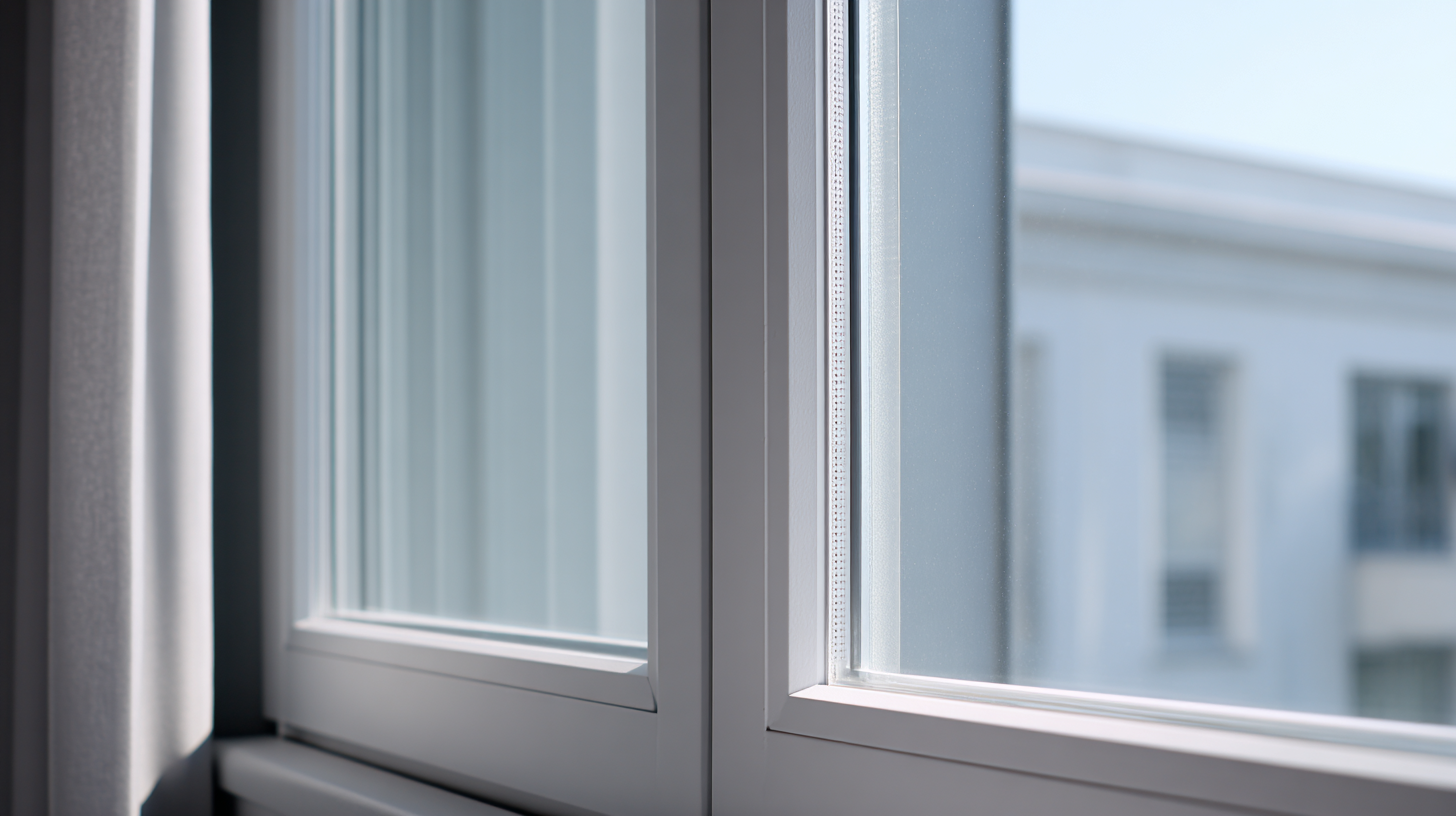
Many homeowners are surprised to learn that the cost of soundproofing windows is influenced more by the construction of their building than by the window itself. Prewar brick buildings behave differently from glass towers. Brownstones pass vibrations differently than lofts with oversized steel frames. Below are the major elements that shape the price.
Window Size and Shape
NYC apartments are famous for unconventional window sizes. Tall, narrow, oversized, arched, or deeply recessed frames all add complexity. Custom fabrication costs more than standard sizing, and accuracy is critical because even a small gap undermines performance.
Level of Noise Outside Your Window
A client on a quiet residential block simply doesn't need the same system as someone living above the subway grate at Union Square. The stronger the noise source, the more robust the system must be, which changes the soundproof glass price.
Glass Type and Thickness
Laminated glass with an acoustic interlayer costs more to produce. When we increase the thickness or combine dissimilar layers for broader sound reduction, pricing changes accordingly. Performance and cost rise together.
Frame Construction and Materials
Vinyl, aluminum, fiberglass, and wood frames all influence both acoustics and cost. NYC humidity, building age, and energy-efficiency regulations also factor into which material is best.
Labor Conditions and Building Restrictions
Co-ops and landmark buildings often require approvals, noise-sensitive scheduling, or special installation methods. These increase your final estimate. NYC's tight working spaces can also influence labor time.
Energy Efficiency Upgrades
Many clients pair acoustic upgrades with thermal improvements. Low-E coatings, high-performance spacers, and insulated frames add comfort but increase the total noise reduction windows cost.
Installation Costs for NYC Projects
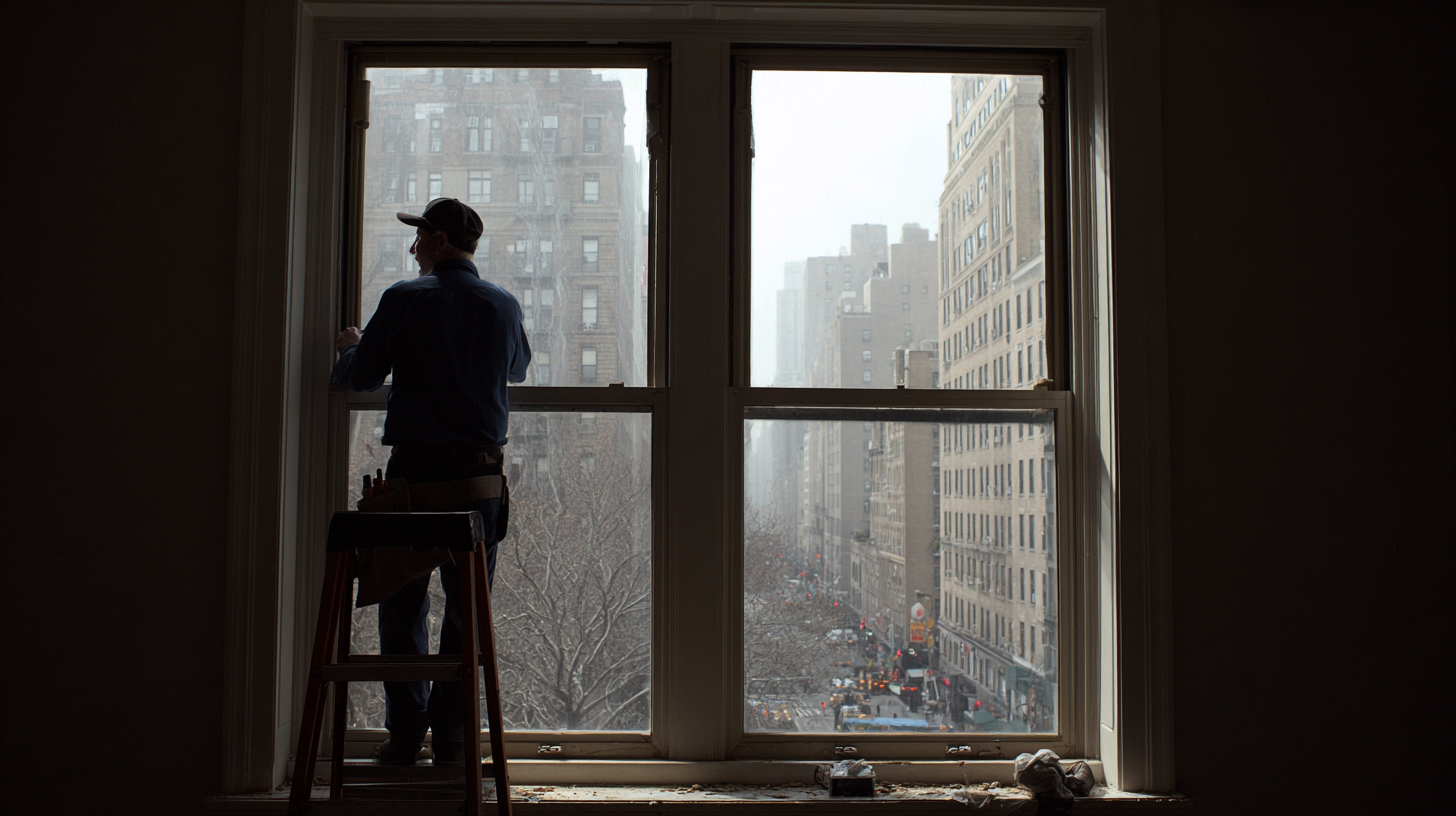
Installing sound-reducing windows in New York is never a plug-and-play job. Buildings here have personality - and sometimes attitude. We routinely work around aging masonry openings, warped prewar wooden frames, uneven plaster, oversized sills, steam pipes, radiators tucked too close to the window line, and stairwells that make every delivery feel like a workout.
All of these factors influence not just how long the job takes, but also what the installation itself will cost.
To give homeowners a realistic expectation, here are the typical cost ranges for soundproof window installation. These numbers reflect national averages, but NYC labor tends to sit toward the higher end.
Estimated Labor Costs for Installing Soundproof Windows
|
Installation Type |
What`s Included |
Typical U.S. Market Range |
Notes |
|
Insert Installation (Interior Acoustic Panels) |
Prep, sealing, precise custom fitting, caulking, cleanup |
$150-$300 per window (Angi / HomeAdvisor) |
Fastest option. Minimal disruption. NYC pricing may sit higher depending on access and building rules. |
|
Full Replacement Window Installation |
Removal of old unit, frame prep, insulation, sealing, disposal, cleanup |
$300-$800 per window (HomeAdvisor median) |
Costs increase with masonry openings, prewar frames, tight spaces, and co-op/condo restrictions. |
|
Large Custom Acoustic Window Systems |
Specialized framing, heavy laminated glass, multi-pane acoustic units, verification testing |
$600-$1,200+ per window (industry range) |
Common for oversized windows, commercial projects, or extreme noise conditions. |
While these cost ranges help homeowners understand the ballpark, they're still only general estimates. New York is a city of unique spaces, unpredictable architecture, and sound conditions that vary wildly from one block to the next. The only way to know what your installation will truly cost is to let a New York Soundproofing specialist evaluate your space. We look at the noise profile, the age of your windows, the structure around them, and the practical realities of working inside your building. Only then can we provide a precise quote tailored to your home and the silence you're trying to reclaim.
Replacing Windows or Installing Inserts?
One of the biggest decisions homeowners face is whether they should invest in full soundproof replacement windows or choose acoustic inserts. These two paths solve the same problem, but the experience, the construction work involved, and the final pricing differ in ways worth understanding. Our team installs both options every week throughout Manhattan, Brooklyn, and Queens, so we see firsthand how each performs in real New York conditions.
When Acoustic Inserts Are the Right Choice
Inserts make the most sense when you want to preserve your existing window frames or avoid building-wide approvals. They're ideal in rentals, co-ops with strict alteration rules, or prewar buildings where the original casement windows simply can't be removed. Inserts add a sealed interior barrier that stops vibration before it enters the room. And because installation is quiet and fast, many clients choose them for bedrooms where disruption needs to be kept minimal. What surprises most people is how impressive the results can be, especially in traffic-heavy neighborhoods like Midtown or SoHo. They're clean, elegant, and extremely effective.
When Full Replacement Makes Sense
Full replacements, on the other hand, are a structural upgrade. You remove the old window entirely and install a new acoustic unit that handles both noise and energy efficiency. For homeowners planning to stay in their property long term, this option offers stronger, more permanent results. The window becomes part of the building envelope rather than an added layer in front of it. Replacement systems often incorporate laminated glass, specialized air gaps, and high-quality frames engineered to prevent vibration transfer. Because they reinvent the entire opening, they carry a higher price for both materials and labor. Still, when the exterior noise is intense enough to impact sleep or productivity, the investment can feel like a lifesaver.
Both options reduce noise dramatically, but the right choice depends on lifestyle, building rules, architectural limitations, and the level of sound control required. If you're unsure which direction to take, we walk our clients through mockups, STC comparisons, and acoustic predictions to help them choose a system that feels right for their daily life.
Is the Investment Really Worth It
The moment people start asking seriously about sound control, they're often already dealing with stress, fatigue, or frustration caused by constant noise. NYC has a way of pushing people to their limit when it comes to unwanted sound. Sometimes it's honking and traffic, sometimes it's late-night street activity, sometimes it's construction that seems never-ending. Living with this level of noise takes a toll. That's why so many homeowners eventually weigh the financial commitment against the relief they hope to gain.
What You're Really Paying For
In real-world terms, here's what upgrading your windows actually gives you: better sleep, deeper focus, less tension in your body, more privacy during conversations, and a calmer home environment. Those improvements ripple into everything-your work, your mood, your relationships. We have clients who describe the silence as "transformational," and that's not an exaggeration. Once the brain no longer feels under constant attack, life becomes noticeably easier.
Soundproofing is also a smart property upgrade. Improved comfort adds value. High-performance windows enhance thermal efficiency and reduce heating and cooling costs, which directly impacts monthly bills. And for buildings located near train lines or major streets, better acoustic performance can significantly increase resale appeal. Buyers feel the difference instantly when they walk through a quiet apartment.
The noise reduction window cost varies, yes, but it's rarely just a home improvement expense. It's a quality-of-life upgrade that lasts for decades. Most families end up saying that the reduction in stress alone was worth it. And since our acoustic systems are designed to last, you're not paying for something temporary. You're building long-term comfort into the very structure of your home.
We've also seen a major shift since remote work became common. People spend more time indoors, more time on video calls, and more time needing quiet surroundings. Noise isn't just an annoyance anymore-it affects productivity and professional credibility. Whether you're teaching online, running a business, recording content, or attending constant meetings, clean audio and a distraction-free background make a difference.
For many NYC residents, silence has become a luxury. Soundproof windows turn it into something attainable.