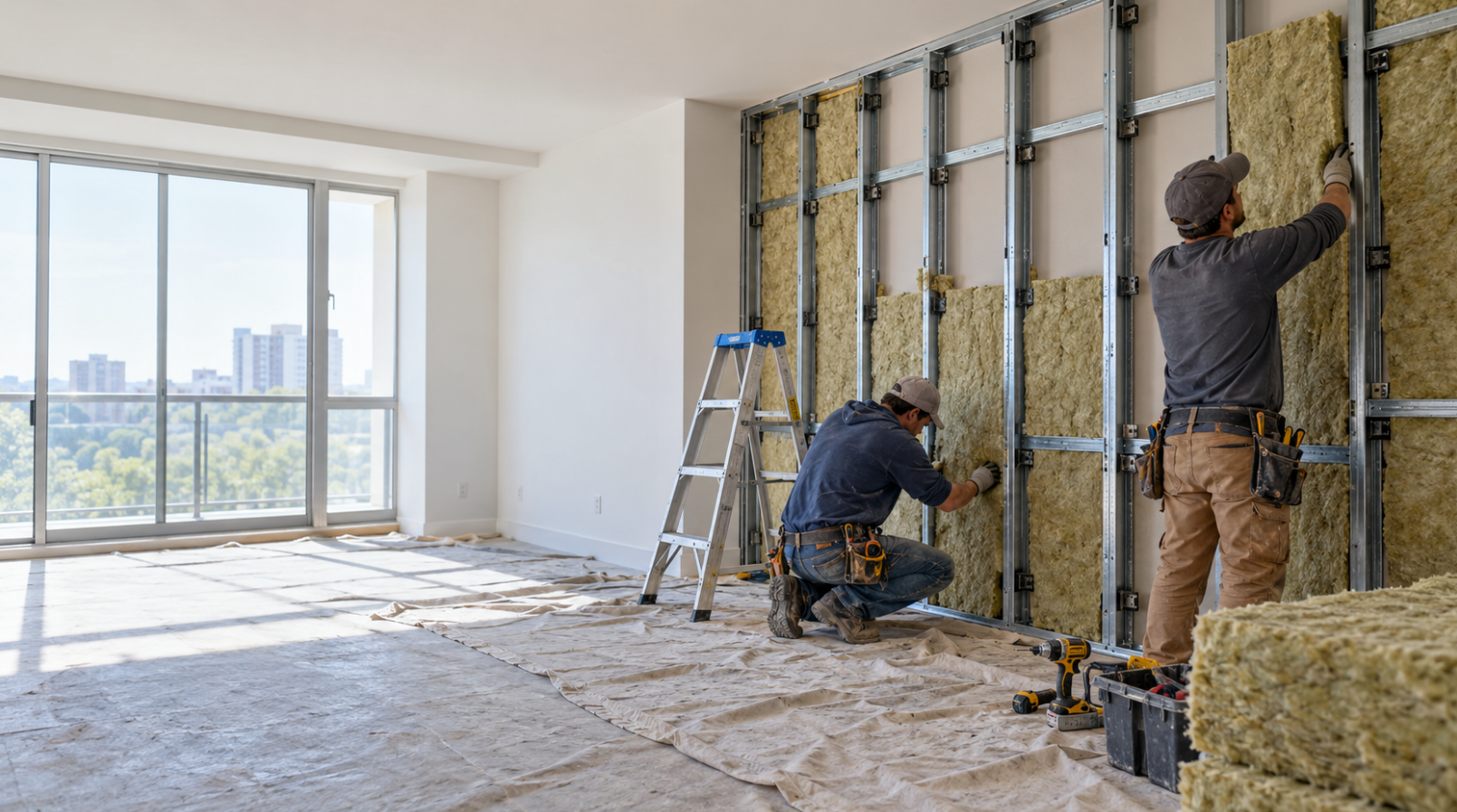
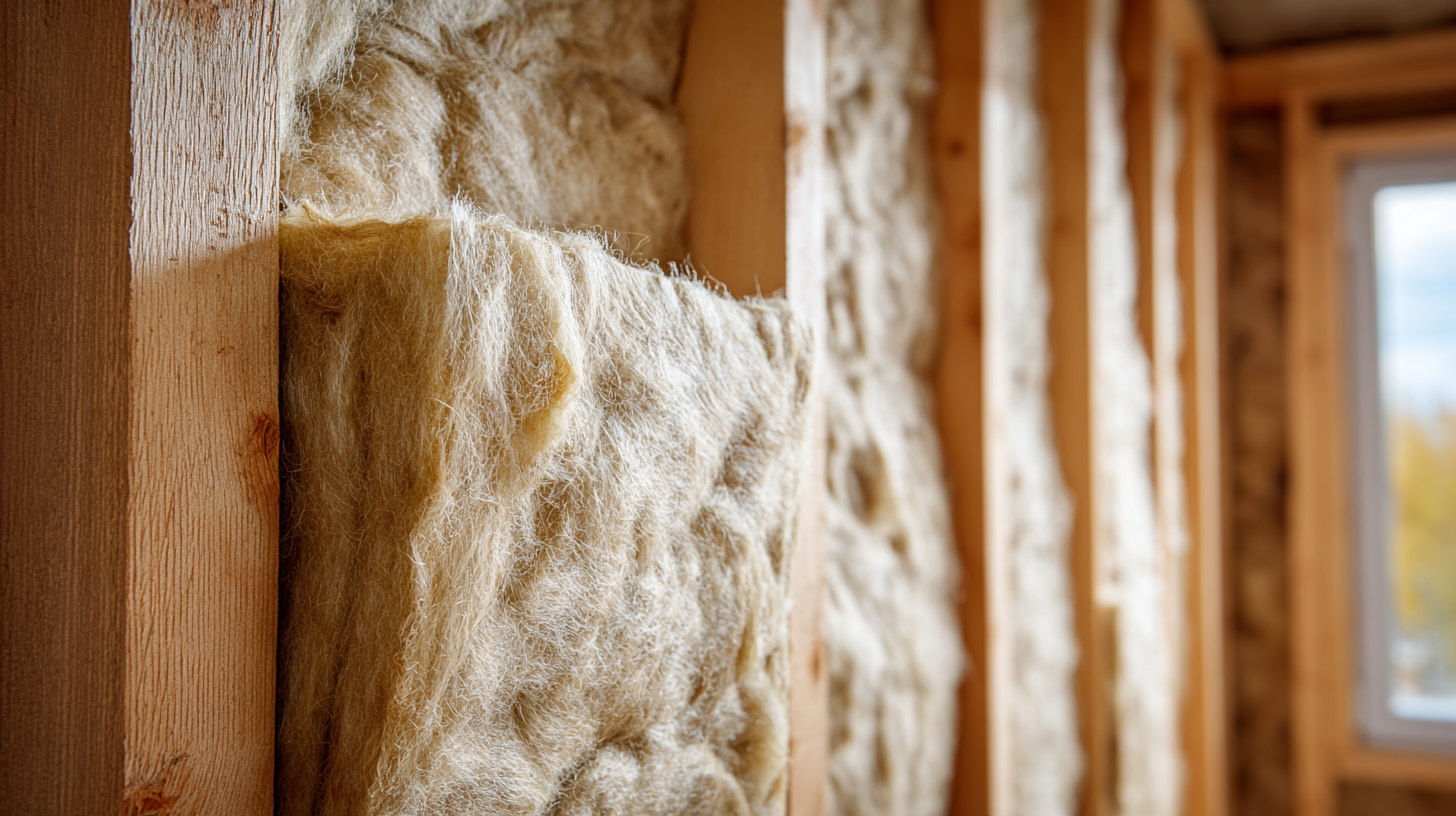
Choosing the best soundproofing insulation depends on three variables: the type of noise you need to block, your construction access, and your budget per square foot. This guide compares the five primary insulation materials used for soundproofing in US residential and commercial construction, with STC and NRC ratings, cost ranges, and scenario-specific recommendations.
What Makes Insulation Effective for Soundproofing
Sound transmission through walls and ceilings is measured by the Sound Transmission Class (STC) rating - the higher the STC, the less sound passes through. A second metric, the Noise Reduction Coefficient (NRC), measures how much sound a material absorbs within a room rather than reflecting it back. Both ratings are more relevant to soundproofing performance than the R-value, which measures thermal resistance only and does not correlate with acoustic performance. If you're unsure about the current acoustic performance of your space, professional sound measurements can establish a baseline before selecting materials.
The two physical mechanisms behind soundproof insulation are mass and absorption. Dense materials block airborne sound by increasing the mass of an assembly. Fibrous or porous materials absorb sound energy by converting it into heat within the material structure. The best performing assemblies combine both mechanisms - dense insulation inside a decoupled wall or ceiling cavity.
Mineral Wool Insulation (Best Overall Soundproofing Performance)
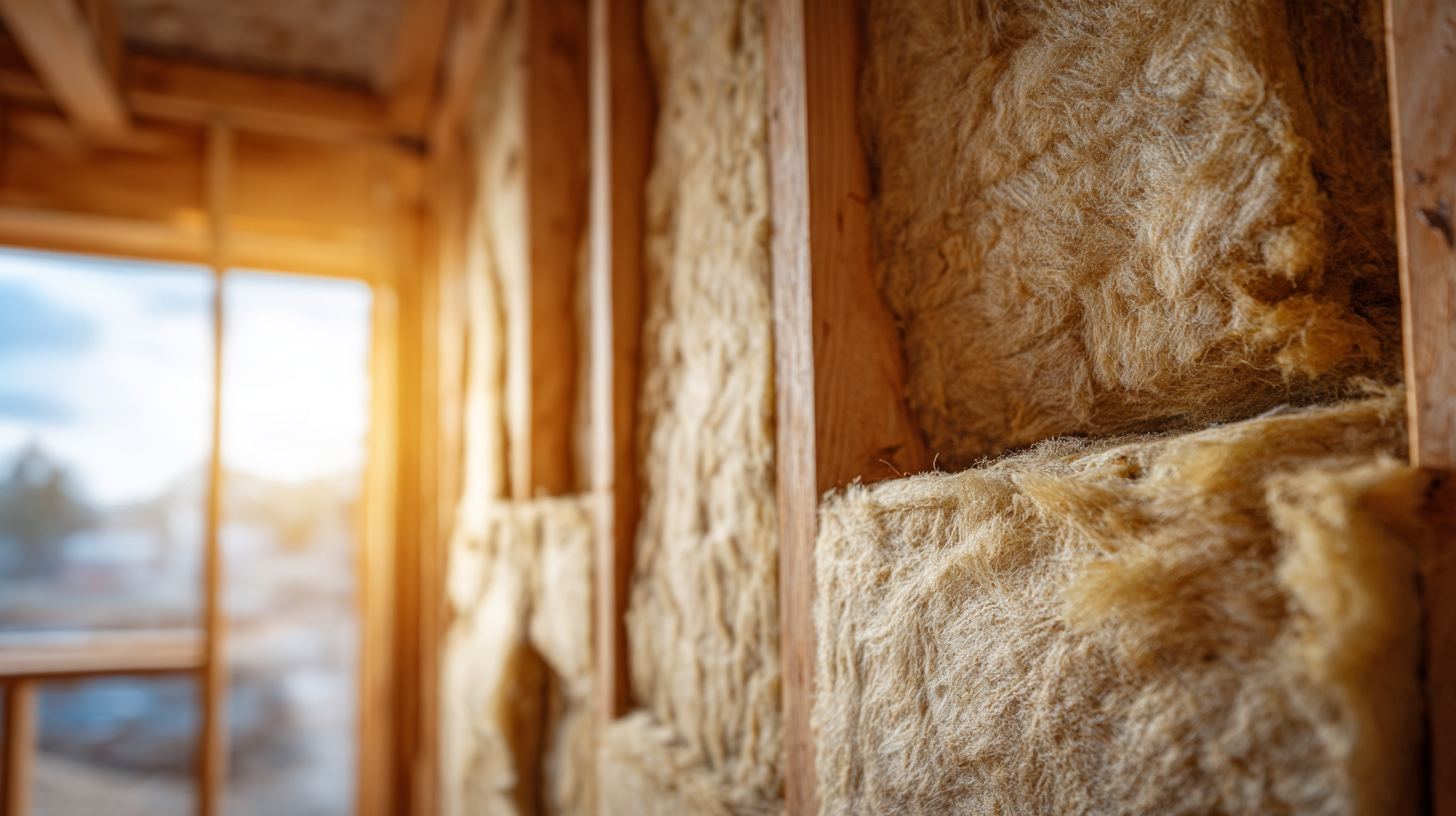
Mineral wool insulation - sold under brand names such as Rockwool and Thermafiber - is the top-rated soundproofing insulation for walls and ceilings available in the US market. Its high density (typically 2.5-8 lbs per cubic foot) gives it STC contribution ratings of 45-52 when installed in a standard 3.5-inch stud cavity, and an NRC of 0.90-0.95.
Mineral wool is manufactured from volcanic basalt rock or industrial slag, which is melted and spun into dense fiber batts. This production process results in a material with significantly higher mass per inch than fiberglass, directly translating to greater sound attenuation.
In addition to acoustic performance, mineral wool is naturally fire-resistant up to approximately 1,800°F and does not support mold growth, making it the preferred choice for shared walls between apartments, home studios, mechanical rooms, and any space where both fire safety and sound isolation are priorities.
The primary drawback is cost. Mineral wool batts run $0.80-$2.50 per square foot for materials, with installed costs ranging from $2.50-$5.00 per square foot depending on cavity depth and labor rates.
Mineral wool is the standard insulation choice for recording studio soundproofing and professional music room projects where maximum STC performance is required.
Fiberglass Batt Insulation (Best Budget Option)
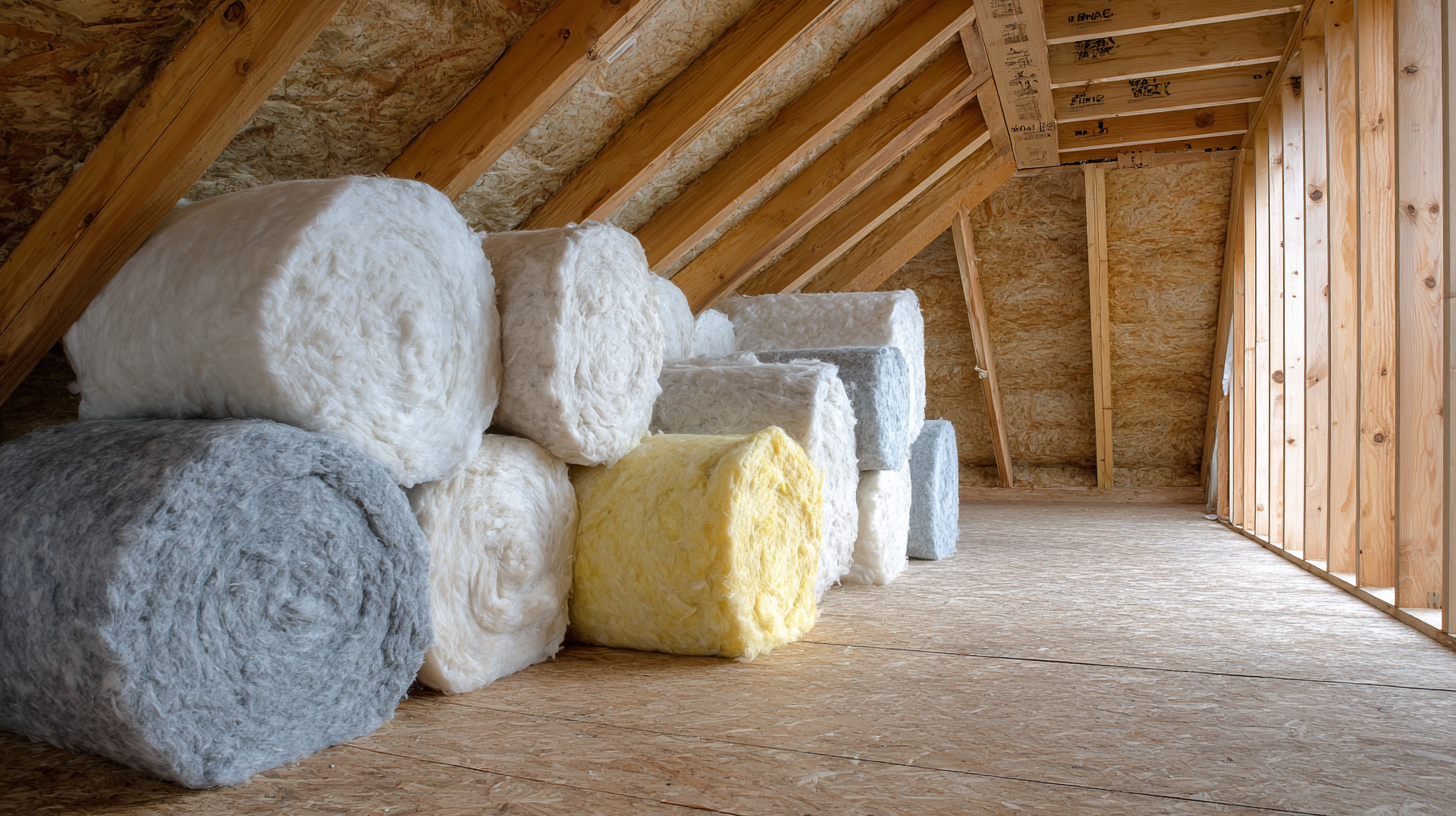
Fiberglass batt insulation is the most widely installed soundproofing insulation in US residential construction. Standard 3.5-inch fiberglass batts in a wood-framed wall contribute STC ratings of 39-44 and NRC values of 0.80-0.90, depending on density and facing.
Fiberglass performs well against mid- and high-frequency airborne sounds such as speech, television, and most HVAC noise. It is less effective against low-frequency sounds - bass from music, mechanical vibration, and impact noise - due to its lower mass compared to mineral wool.
Material costs range from $0.40-$1.50 per square foot, with installed costs of $1.50-$3.00 per square foot. For budget-constrained projects where the primary noise concern is airborne speech and general room-to-room sound bleed, fiberglass batts represent the best cost-to-performance ratio.
High-density fiberglass batts (labeled "HD" or "acoustical") are available at densities up to 3.0 lbs per cubic foot and achieve STC ratings comparable to standard mineral wool at a lower price point than premium rockwool products.
Cellulose Insulation (Best for Retrofit and Existing Walls)
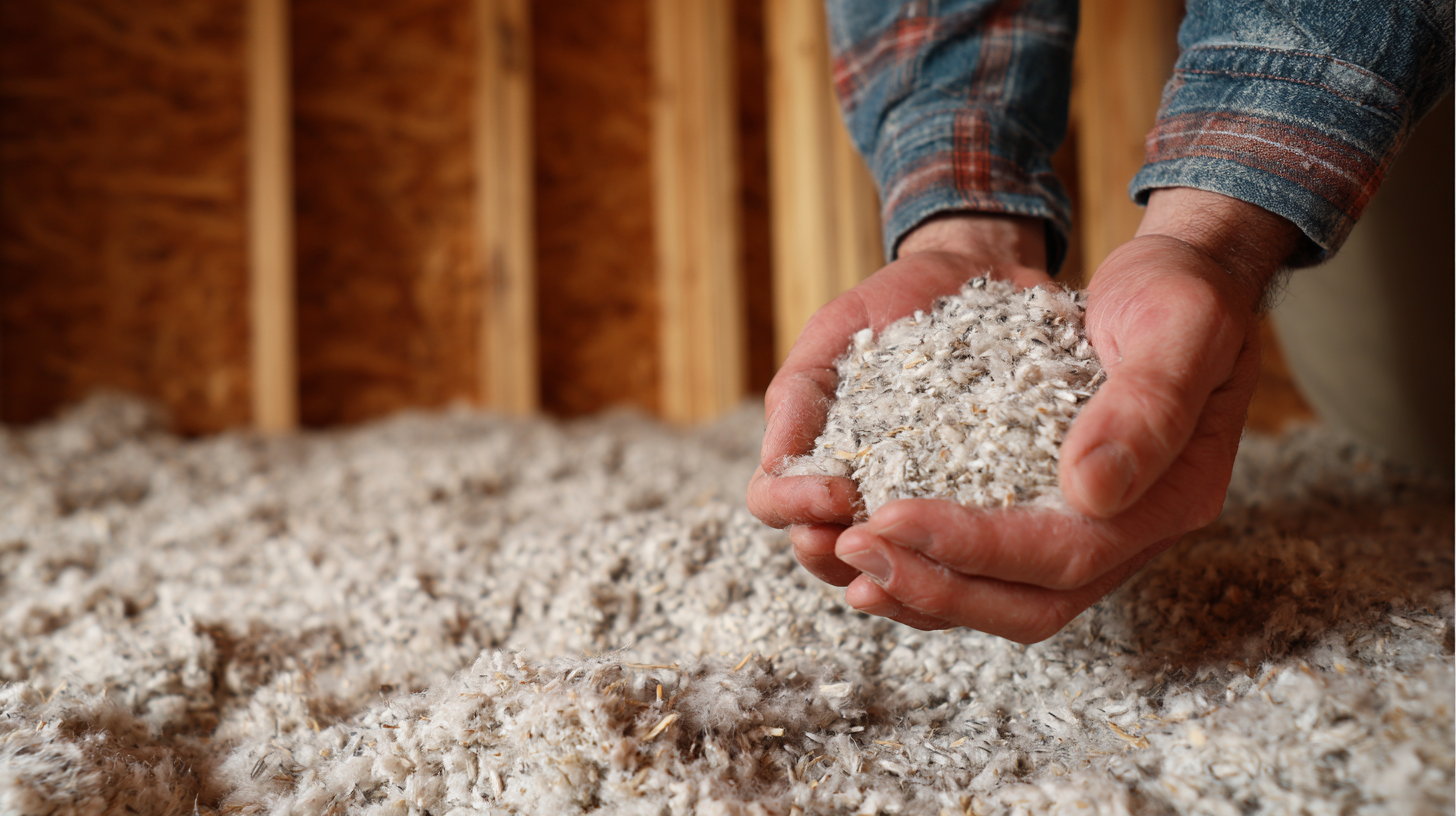
Cellulose insulation is a blown-in material made from recycled paper fiber treated with borate for fire and pest resistance. It is the best soundproofing insulation for existing walls where demolition is not an option, because it can be injected through small holes drilled into the wall cavity without removing drywall.
Dense-pack cellulose achieves STC contributions of 44-48 and NRC values of 0.70-0.85 in a 3.5-inch cavity. The dense-pack application method compresses cellulose to approximately 3.5 lbs per cubic foot, eliminating air gaps that allow sound flanking paths through the wall assembly.
Installed costs for dense-pack cellulose range from $1.00-$2.00 per square foot, making it competitive with fiberglass batts on price while offering higher acoustic performance in retrofit applications.
The limitations of cellulose insulation are moisture sensitivity and long-term settling. In high-humidity environments without proper vapor management, cellulose can absorb moisture and lose acoustic performance over time. In open-frame new construction, mineral wool or high-density fiberglass batts are typically preferred over cellulose.
Spray Foam Insulation (Best for Air Sealing Combined with Sound)
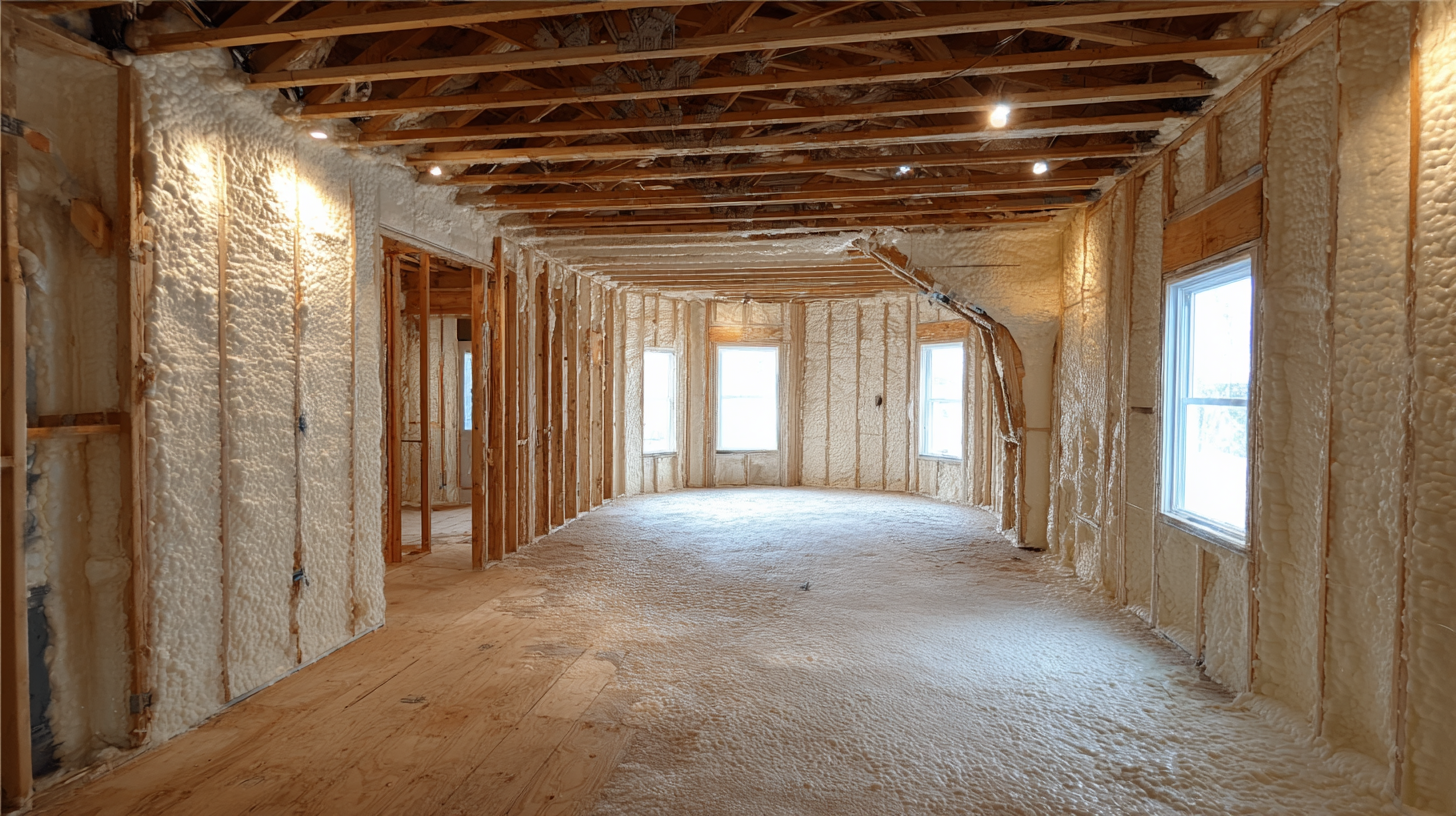
Spray foam insulation contributes to soundproofing primarily through air sealing rather than mass or absorption. Airborne sound follows air pathways - gaps around electrical outlets, pipe penetrations, and framing intersections - and spray foam eliminates these flanking routes by forming an airtight barrier.
Open-cell spray foam, applied at 3.5 inches in a wall cavity, achieves STC contributions of 37-39 and NRC values of 0.70-0.80. Open-cell foam is semi-rigid and fibrous, which gives it modest sound absorption properties. Closed-cell spray foam performs worse acoustically (STC contribution 35-38, NRC 0.25-0.35) because its rigid, dense structure reflects rather than absorbs sound energy.
Open-cell spray foam costs $0.50-$1.00 per board foot installed. Closed-cell costs $1.00-$2.00 per board foot.
Spray foam is most effective as a complement to other soundproofing insulation - applied at penetrations and framing gaps before installing mineral wool or fiberglass batts - rather than as a standalone acoustic solution.
Acoustic Foam Panels vs Insulation
Acoustic foam panels and soundproofing insulation solve different problems. Acoustic foam panels - open-cell polyurethane foam applied to wall surfaces - reduce echo, reverberation, and flutter echo inside a room. They do not block sound from passing through walls or ceilings between rooms.
Soundproofing insulation fills wall and ceiling cavities to reduce sound transmission class (STC) between rooms. It operates within the building assembly, not on the surface.
The correct application is: soundproofing insulation in the wall cavity to reduce how much sound leaves or enters a room, and acoustic foam panels on interior surfaces to improve the sound quality within the room. Recording studios and home theaters typically require both - insulation for transmission loss and acoustic treatment for acoustic response.
Soundproofing Insulation Comparison
The table below compares the five primary soundproofing insulation types by STC contribution, NRC, typical installed cost, and best application:
|
Material |
STC Contribution |
NRC |
Installed Cost ($/sq ft) |
Best Application |
|
Mineral Wool (standard density) |
45-52 |
0.90-0.95 |
$2.50-$5.00 |
Studios, shared walls, mechanical rooms |
|
Fiberglass Batt (HD) |
39-44 |
0.80-0.90 |
$1.50-$3.00 |
Interior walls, ceilings, budget projects |
|
Cellulose (dense-pack) |
44-48 |
0.70-0.85 |
$1.00-$2.00 |
Retrofit existing walls without demolition |
|
Spray Foam (open-cell) |
37-39 |
0.70-0.80 |
$0.50-$1.00/bd ft |
Air sealing at penetrations and gaps |
|
Spray Foam (closed-cell) |
35-38 |
0.25-0.35 |
$1.00-$2.00/bd ft |
Structural + moisture barrier; weak acoustically |
For ceiling assemblies, the most effective approach is dense-pack mineral wool combined with resilient channel or sound isolation clips to decouple the drywall from the structure. Impact noise - footsteps from the floor above - cannot be blocked by insulation alone; it requires a decoupled ceiling assembly.
For wall assemblies between living spaces, a double-stud wall filled with mineral wool provides the highest STC performance (STC 60+), but requires space. A single stud wall with mineral wool batts and one layer of 5/8-inch drywall on each side typically achieves STC 45-50.
How to Choose the Right Soundproofing Insulation for Your Project
The right soundproofing insulation depends on three factors: type of noise, construction access, and budget.
For new construction or full gut renovation
Use mineral wool batts in all shared walls and ceilings. Pair with resilient channel or isolation clips on ceilings where impact noise from above is a concern. This combination delivers the highest STC improvement per dollar at the renovation stage.
For budget-constrained new construction
Use high-density fiberglass batts in interior walls and standard mineral wool only in the highest-priority locations (bedroom walls, home office, home theater). This hybrid approach reduces material costs while maintaining acceptable acoustic separation in critical areas.
For retrofit without demolition
Use dense-pack cellulose blown into existing wall cavities. This is the only method that substantially improves STC ratings in finished walls without removing drywall. Complement with acoustic caulk and foam backer rod at all perimeter gaps.
For recording studios or home theaters
Mineral wool is the baseline for wall and ceiling cavities. The insulation must be combined with structural decoupling (double stud, resilient channel, or RSIC clips) and room-within-a-room construction techniques for professional-grade isolation. Insulation alone cannot achieve studio-level STC performance.
One consistent mistake in DIY soundproofing projects is treating insulation as a complete solution. Insulation reduces sound transmission through the filled cavity but does not address flanking - sound traveling around the assembly through structure, gaps, or flanking paths like ducts and electrical boxes. Air sealing with spray foam or acoustic caulk at every penetration is required for insulation to reach its rated STC performance.