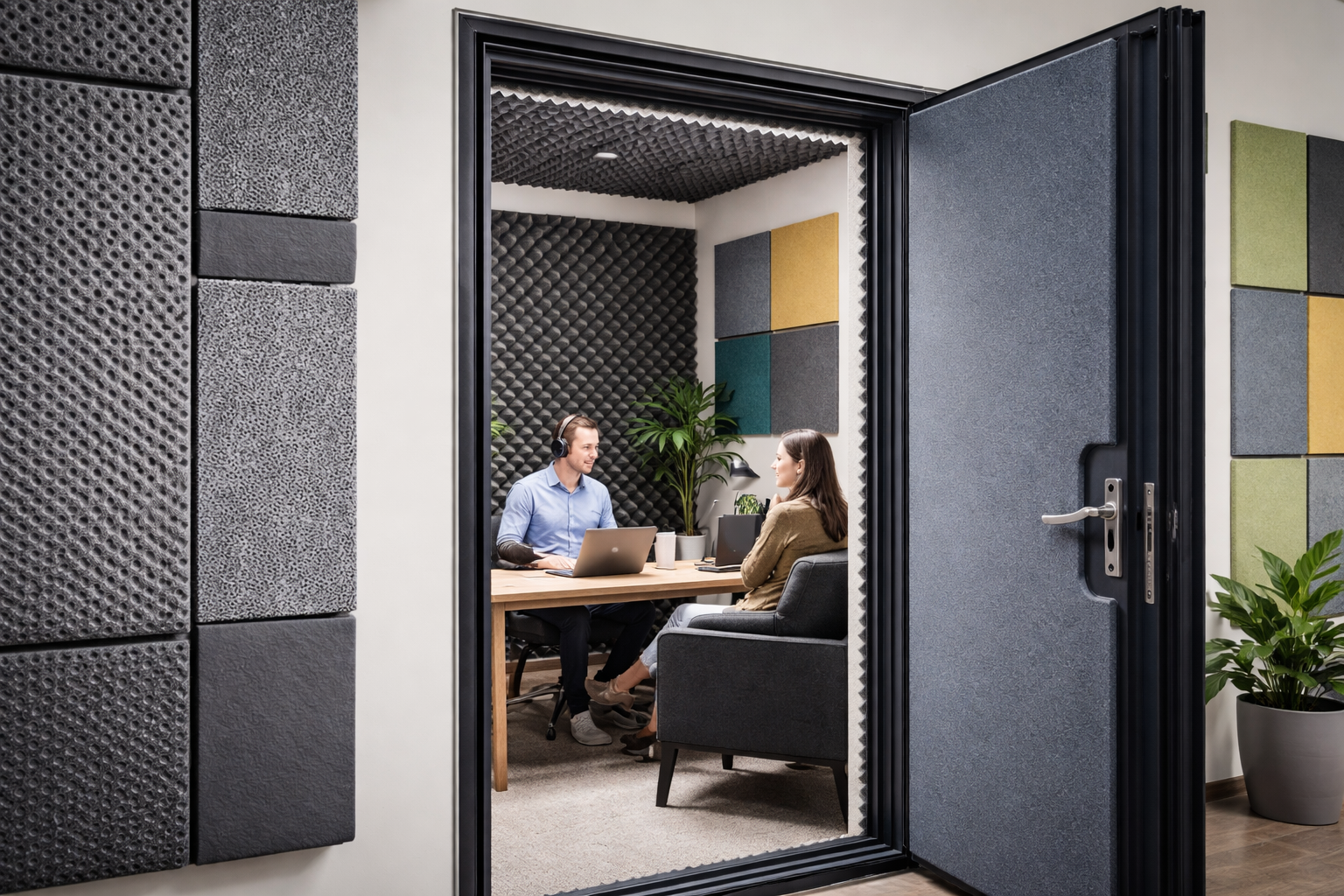
Numerous property owners in metropolitan areas frequently mix up the concepts of acoustic dampening with noise isolation when exploring soundproofing solutions NYC environments demand. Grasping the essential distinction between these dual methodologies proves vital for choosing appropriate acoustic treatments. At New York Soundproofing, our experience demonstrates how selecting the right methodology significantly influences project outcomes. We provide professional insights that enable clients to reach well-considered choices suited to their particular NYC acoustic requirements, guaranteeing ideal outcomes for each distinct circumstance.
Understanding Sound Absorption Fundamentals
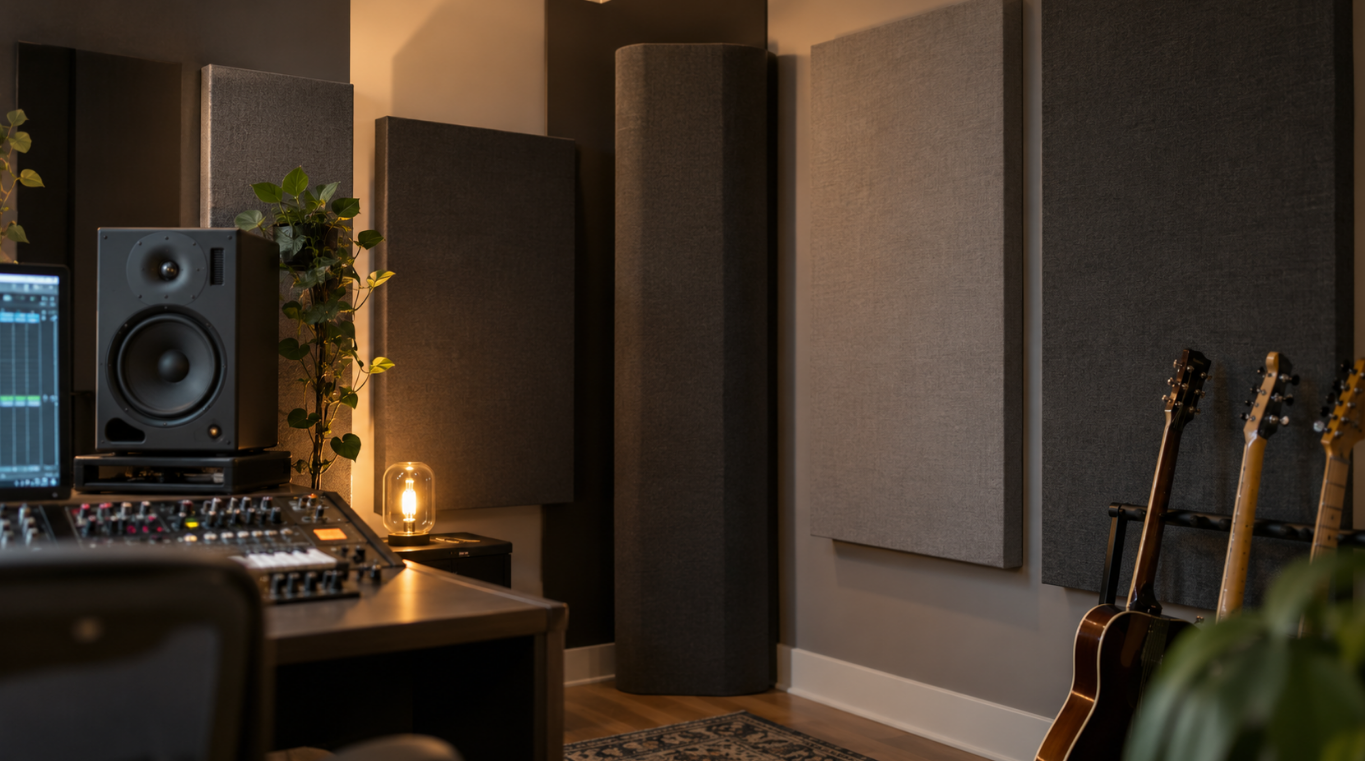
The process of acoustic dampening captures waves that rebound throughout an area, transforming acoustic energy into thermal energy via frictional forces. Acoustic panels absorption happens when waves become captured within permeable substances including foam products, fiberglass insulation, or mineral wool compositions. Such materials feature countless microscopic air chambers that generate resistance when waves penetrate their structure. The Noise Reduction Coefficient (NRC) measures a material's absorption performance across different frequency ranges. Though outstanding for minimizing echo in NYC performance venues and recording facilities, this method by itself won't stop noise transfer among neighboring areas or from outside disturbances.
Understanding Sound Blocking (Isolation) Fundamentals
Sound Transmission Basics
Noise isolation stops undesirable transfer across areas through establishing obstacles that deflect or reduce acoustic energy. Within NYC structures, vibrations move via building components, locating routes offering minimal resistance via walls and flooring systems. The principle of mass indicates denser materials typically offer superior isolation, yet calculated air spaces and thorough sealing remain similarly crucial for performance. Recognizing sound absorption vs blocking assists property owners in choosing suitable sound blocking materials for their particular requirements. Flanking routes—alternative pathways that bypass barriers—often significantly compromise isolation results. STC (Sound Transmission Class) measurements indicate performance levels, although actual outcomes might vary from testing facility data because of NYC's distinctive architectural features and structural arrangements.
Sound Blocking Materials and Techniques:
- Mass-loaded vinyl obstacles.
- Several drywall sheets using Green Glue.
- Acoustic sealant for airtight connections.
- Resilient channel configurations.
- Floating floor systems including underlayment.
- Customized windows and doorways.
Expert assistance proves crucial for sophisticated NYC installations where various transmission routes require concurrent treatment for substantial noise mitigation across the complete area.
Key Differences: Absorption vs Blocking
Purpose and Function
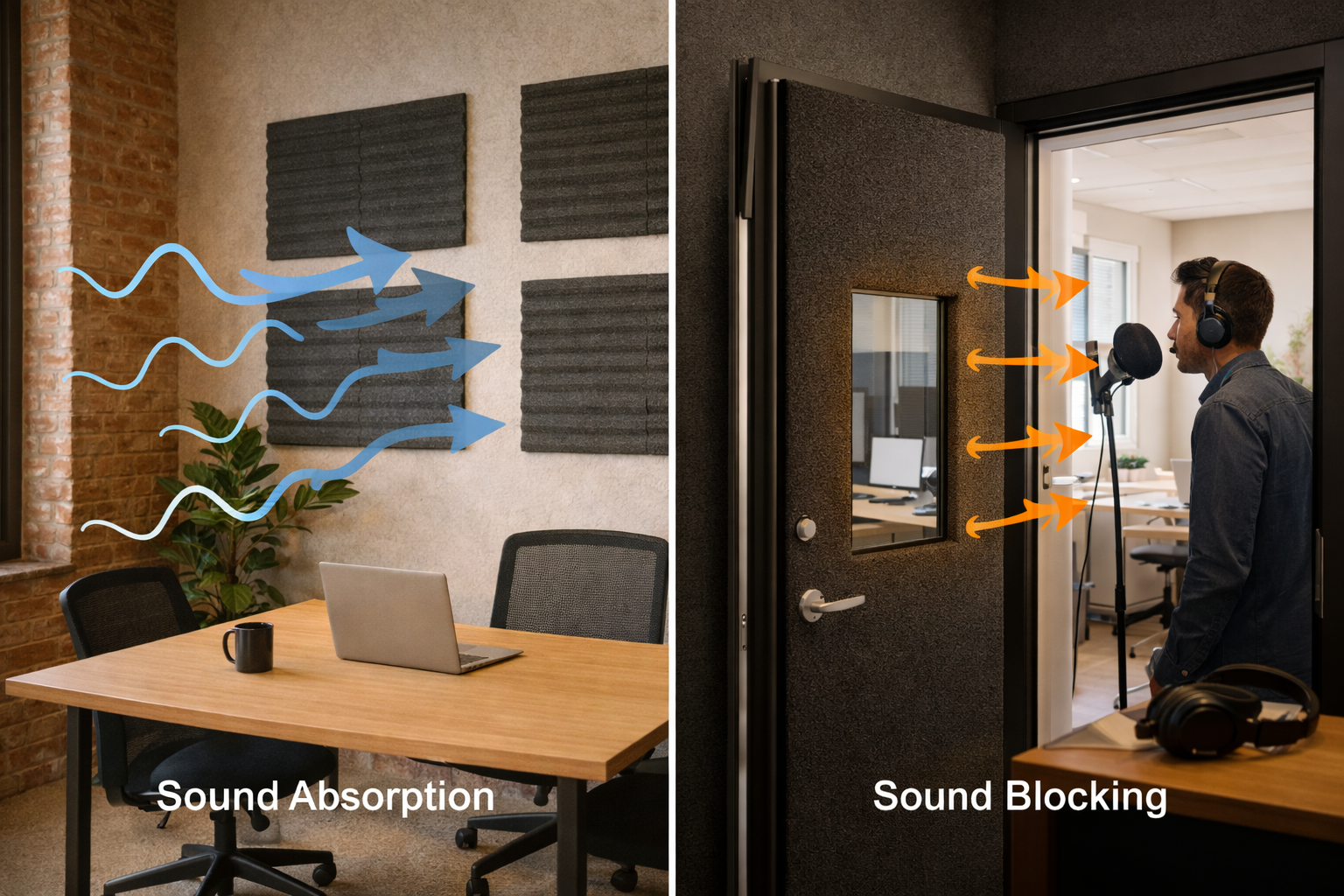
Dampening fundamentally manages acoustics inside an area through minimizing reverb and echo, improving audio precision and comprehensive quality. Isolation, alternatively, stops noise from moving across areas, delivering privacy and defense against outside disruptions. Although panels enhance the auditory environment in performance venues or recording rooms, obstacle methods shield sleeping quarters from urban noise. New York Soundproofing frequently discovers that customers require dual methodologies—one addressing audio fidelity, the other managing noise limitation, establishing thorough acoustic treatment explained via real-world implementation.
Materials and Construction
Acoustic dampening and isolation demand essentially distinct methodologies regarding both materials and setup procedures. The initial approach depends on airy, permeable substances that trap waves, whereas the second requires thick, weighty building that deflects and blocks transfer. The following comparison illustrates these important distinctions:
Comparison: Absorption vs Blocking Materials:
|
Characteristic |
Sound Absorption |
Sound Blocking |
|
Material Type |
Soft, porous (foam, fiberglass) |
Dense, heavy (concrete, MLV) |
|
Weight |
Lightweight |
Heavyweight |
|
Installation |
Surface-mounted |
Structural integration |
|
Thickness |
1-4 inches typically |
Multiple layers, air gaps |
|
Appearance |
Often visible, decorative |
Typically concealed in walls |
|
Primary Use |
Echo reduction |
Noise isolation |
Ceiling panels sound absorption frequently incorporate appealing aesthetics that enhance NYC interior spaces, while isolation methods stay concealed inside building components. Wall panels acoustic applications may fulfill multiple roles—enhancing room acoustics alongside contributing aesthetic appeal to environments. The intricacy of obstacle setups generally demands expert knowledge, particularly in NYC's demanding construction situations where spatial limitations and codes restrict possible choices.
When to Use Sound Absorption Solutions
Dampening methods perform exceptionally in areas experiencing echo and reverb problems typical in contemporary design. NYC dining establishments encounter discussion clarity difficulties when rigid surfaces bounce excessive acoustic energy. Recording facilities require exact treatment for managing reflections properly. A soundproofing expert determines which areas will benefit most from strategic placement of acoustic absorption panels. Business meeting spaces profit from applications that enhance vocal intelligibility considerably. Academic buildings employ calculated placements for better educational settings. New York Soundproofing regularly places applications in performance venues, religious facilities, and collaborative workspaces where audio fidelity—not isolation—represents the main priority for users.
When to Use Sound Blocking Solutions
Noise isolation proves crucial when privacy and restriction represent main priorities for property holders. NYC residential occupants facing neighbor disturbances require building methods that stop transfer via common walls successfully. Healthcare establishments need to maintain HIPAA-adherent privacy among treatment areas reliably. Expert soundproofing services handle these vital requirements using suitable sound blocking materials and setup procedures. Entertainment spaces demand restriction for avoiding disruption to additional family members while operating. Executive workspaces require private discussion zones for confidential meetings.
Common NYC Sound Blocking Applications:
- Sleeping area applications for enhanced rest conditions.
- Home workplace isolation for telecommuting efficiency.
- Rehearsal spaces for performers in shared residences.
- Entertainment areas for engaging viewing activities.
- Meeting spaces for confidential corporate conversations.
Obstacle methods tackle the distinctive issues of NYC's compact residential settings, where closeness renders noise isolation especially crucial for lifestyle standards. Professional evaluation from a soundproofing company expert establishes the suitable intervention degree according to your particular noise issues.
Combining Absorption and Blocking for Complete Solutions
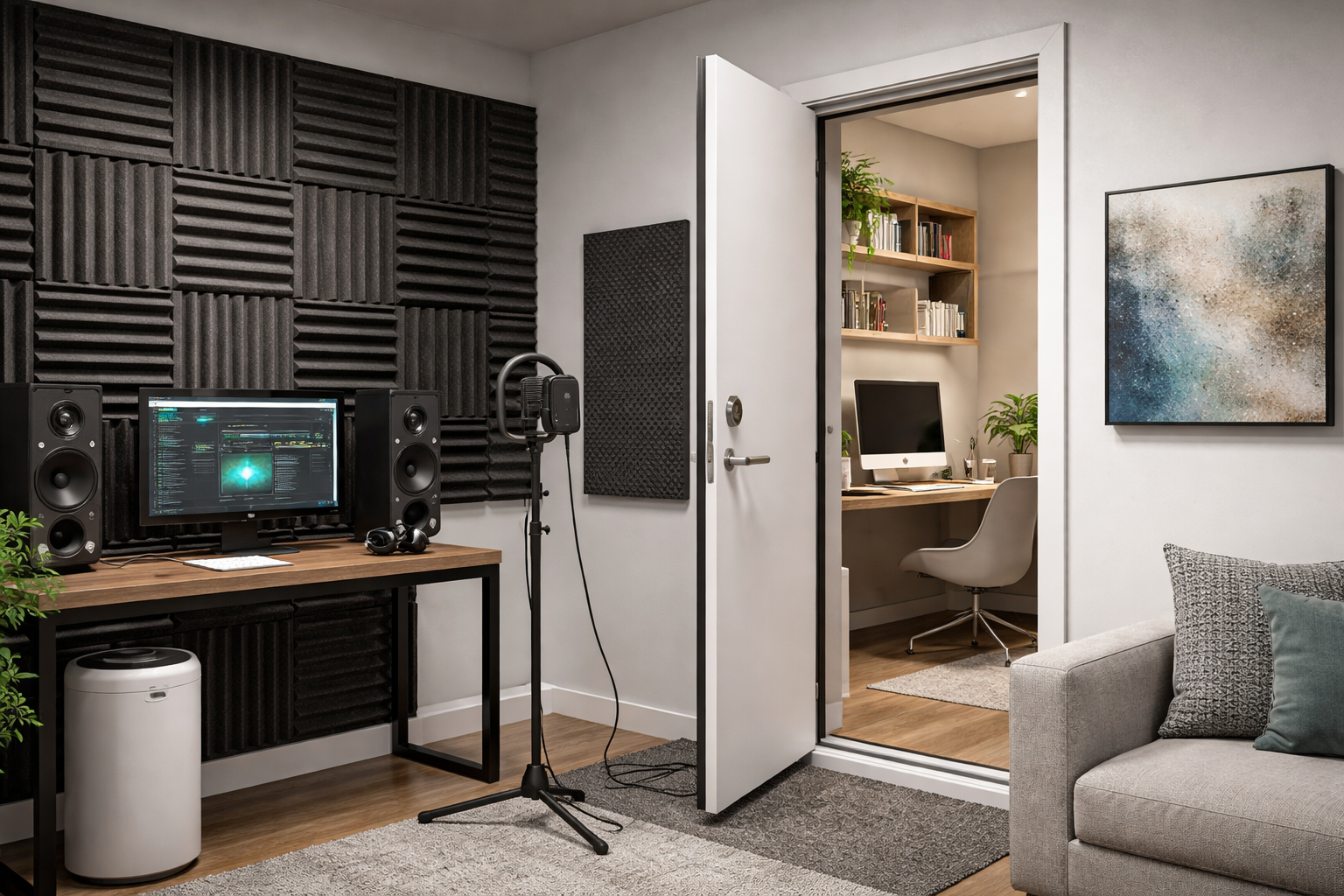
An all-encompassing methodology combining both dampening and isolation generally provides ideal outcomes for intricate acoustic issues confronting property holders. Initially, we tackle noise transfer across areas via obstacle methods, establishing a successful defense from undesirable interruptions. Subsequently, we enhance interior acoustics using calculated dampening applications across the area. Recognizing how acoustic ceiling panels function inside an expanded treatment plan guarantees peak performance. This combined methodology revolutionizes NYC recording facilities, entertainment spaces, and business environments entirely. We create tailored methods tackling both outside noise penetration and interior audio fidelity, with soundproofing services suggesting staged execution when financial limitations apply.
Common Misconceptions and Mistakes
Numerous customers contact us following ineffective independent projects, having confused the essential distinctions between dampening and isolation methods. Foam treatments attached to surfaces cannot eliminate neighbor disturbances—they aren't engineered for that function at all. Likewise, placing several applications cannot establish an isolated setting for vigorous music rehearsals.
Common Soundproofing Mistakes:
- Employing acoustic applications anticipating total isolation.
- Placing mass-loaded vinyl lacking correct sealing methods.
- Depending on revolutionary paint or wallcovering products.
- Misjudging vibrations' capacity for locating different routes.
- Thinking greater NRC measurements deliver additional isolation.
- Anticipating significant outcomes from limited spending.
Expert direction from an acoustic panel company education professional offers essential guidance that avoids these expensive errors. New York Soundproofing instructs customers regarding practical anticipations and suitable methods according to their particular requirements instead of advocating universal solutions that seldom work.
Professional Assessment for Optimal Solutions
An extensive analysis of your particular noise issues creates the basis for successful acoustic treatment design. We establish whether you require dampening, isolation, or a hybrid methodology according to your specific situation and objectives. We evaluate NYC construction limitations, financial restrictions, and visual preferences while creating tailored soundproofing solutions NYC inhabitants trust. Via acoustic treatment explained using understandable language, customers comprehend how wall panels acoustic setups function together with building changes. We provide realistic expectations, not unattainable guarantees, ensuring our recommendations for ceiling panels align with your actual requirements and feasible implementation options.
Expert Guidance for Your Soundproofing Project
New York Soundproofing provides thorough offerings tackling both dampening and isolation difficulties across NYC's varied communities. Our professional evaluation determines the best mixture of applications, overhead setups, and building changes for your area's specific needs. Whether you're looking for soundproofing professional support or require acoustic panel company education materials, we deliver truthful suggestions that reconcile performance with financial factors practically.
Comprehending sound absorption vs blocking concepts assists in reaching demonstrated outcomes in Manhattan installations, exhibiting our proficiency in both audio fidelity improvement and noise isolation successes. Ceiling panels sound absorption paired with correct obstacle methods establishes the perfect acoustic setting. Reach out to us now via soundproofing professional offerings for an assessment that transforms your NYC acoustic surroundings into the tranquil, productive area you merit.