To soundproof a bathroom, you address the paths sound travels through: the door and the gap beneath it, the walls shared with living spaces, the exhaust fan and its duct, the plumbing, and the hard surfaces that create echo. The door is almost always the biggest weak point, so sealing it gives the fastest improvement for the least effort.
A bathroom is rarely soundproofed by a single fix. Combining a sealed door, added wall mass, a quieter fan, and insulated pipes produces a meaningful reduction in noise both escaping and entering the room.
This guide works through each path in order of impact, with concrete steps for each.
Why Bathrooms Are Hard to Soundproof
Bathrooms leak sound because almost every part of the room is built to be hard, hollow, or vented. The same features that make a bathroom easy to clean and ventilate also make it acoustically poor.
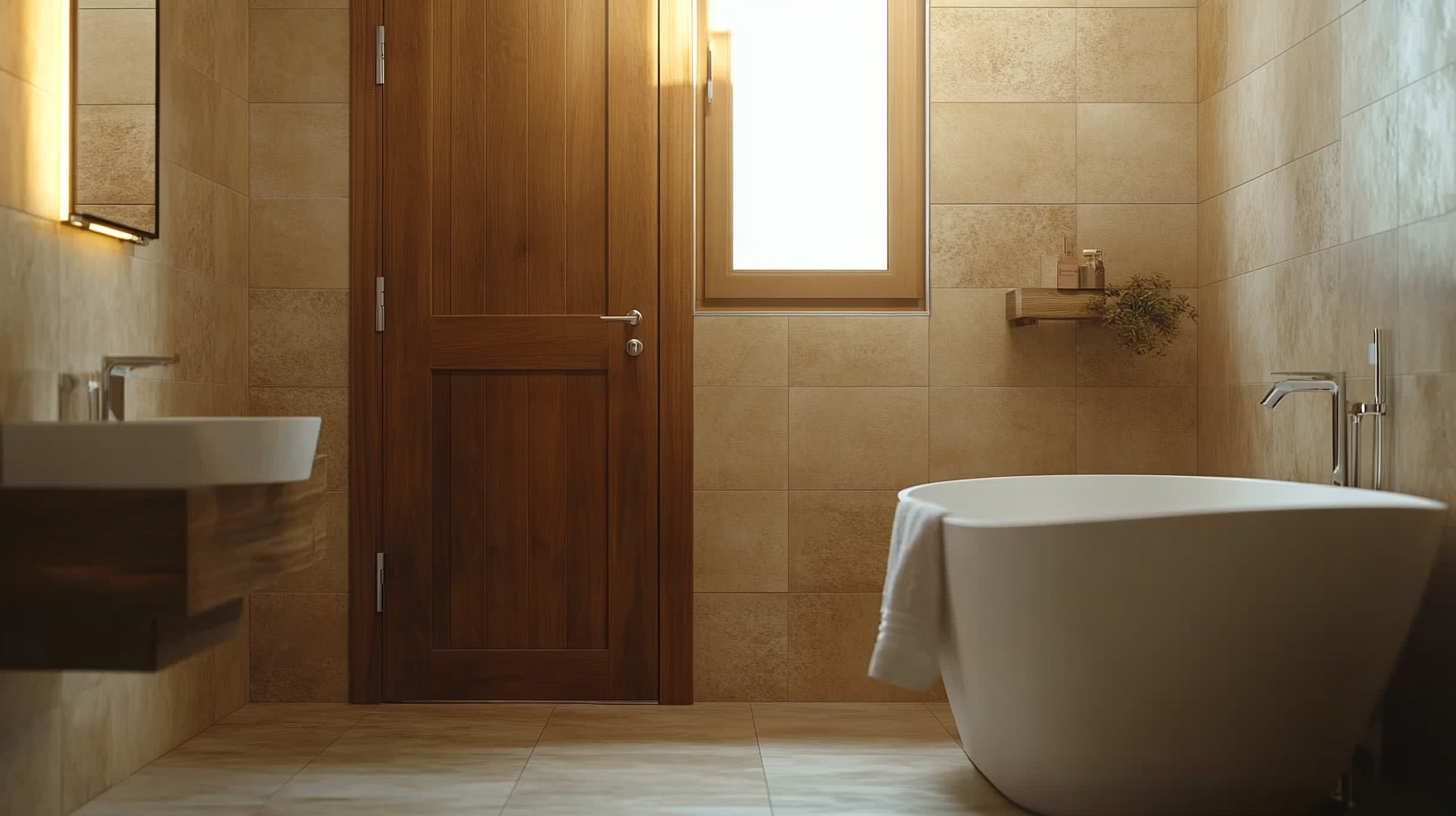
The door is usually a hollow-core slab with a one-inch gap beneath it for airflow, and that gap is an open channel for sound. Hard tile walls and floors reflect sound instead of absorbing it, so noise inside the room is amplified before it ever reaches the door.
Interior walls around bathrooms are often built without cavity insulation, which lets sound pass straight through the drywall. The exhaust fan creates noise of its own and opens a direct duct path to other parts of the house, while plumbing carries water and drainage noise through the structure.
Moisture adds a final constraint. A bathroom cannot simply be filled with soft, sound-absorbing fabric the way a bedroom can, because trapped humidity leads to mildew and mold. Effective bathroom soundproofing requires moisture-tolerant methods.
How to Soundproof a Bathroom Door
The door is the first thing to seal because it is the largest and easiest sound leak in most bathrooms. Proper door soundproofing often cuts perceived noise more than any other single step.
- Close the gap under the door with a door sweep or an automatic drop-down threshold seal. This eliminates the open channel beneath the door, which is the single biggest path for sound.
- Apply self-adhesive acoustic weatherstripping or foam tape around the door frame so the door presses against a seal on all four sides when closed.
- Add a perimeter door gasket if the frame allows it, creating a tighter, more consistent seal than foam tape alone.
- Replace a hollow-core door with a solid-core door. A solid slab has far more mass and blocks substantially more sound than the hollow doors used in most homes.
If replacing the door is not an option, a heavy door blanket or an acoustic curtain mounted over the doorway adds mass as a temporary measure, though a sealed, solid-core door performs best.
How to Soundproof Bathroom Walls
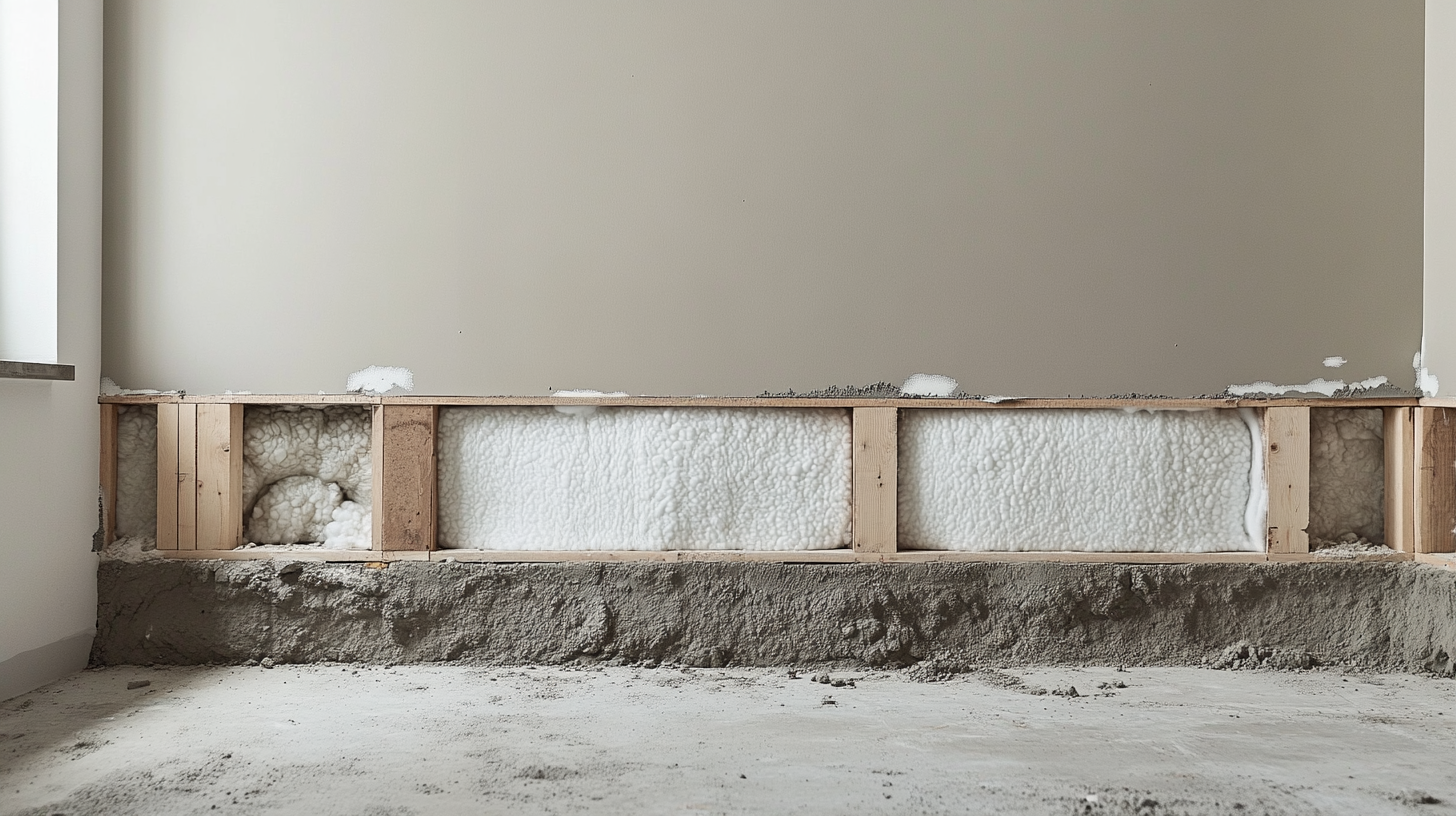
Wall soundproofing works by adding mass and removing the air cavities and rigid connections that let sound pass through. The right method depends on whether you can open the wall or only treat its surface.
Add mass to the existing wall by installing a second layer of drywall with a damping compound such as Green Glue between the layers. The added mass and damping reduce how much sound transfers through the wall.
Apply mass-loaded vinyl (MLV) behind a new drywall layer when you need a thin, heavy barrier without rebuilding the wall. MLV is dense and flexible, which makes it effective at blocking airborne noise.
Insulate the wall cavity with mineral wool or acoustic batt insulation if the wall is open during a renovation. Filling the cavity stops sound from resonating inside the wall.
Decouple the wall with resilient channel or sound clips during new construction or a full remodel. Decoupling separates the drywall from the studs so vibration cannot travel directly through the structure, and it is the most effective wall method available.
How to Reduce Exhaust Fan and Ventilation Noise
The exhaust fan is both a noise source and a sound path, so quieting it improves privacy in two ways. A loud fan adds noise, and its duct connects the bathroom acoustically to the rest of the house.
- Replace a loud fan with a low-sone model. Sone is the fan's loudness rating, and a fan rated at 1.0 sone or below runs noticeably quieter than standard fans.
- Use insulated flexible ducting instead of rigid duct, since the insulation absorbs fan and airflow noise traveling along the duct.
- Install an inline fan mounted in the duct run away from the ceiling grille, which moves the motor noise out of the room.
- Add an acoustic baffle or duct silencer in the duct line if fan noise remains a problem after the other steps.
How to Quiet Bathroom Plumbing and Pipe Noise
Plumbing noise travels through the structure when pipes are exposed, loose, or carrying pressure surges. Treating the pipes reduces the rushing, draining, and knocking sounds associated with bathrooms.
- Wrap exposed pipes with foam pipe insulation or mass-loaded vinyl to dampen the sound of water moving through them.
- Secure loose pipes with cushioned clamps so they cannot vibrate or rattle against the framing.
- Address water hammer, the banging that occurs when a valve closes, by installing a water hammer arrestor on the supply line.
- Insulate the wall cavity around the pipes with mineral wool, which absorbs drainage noise from the soil stack and supply lines.
How to Reduce Echo Inside the Bathroom
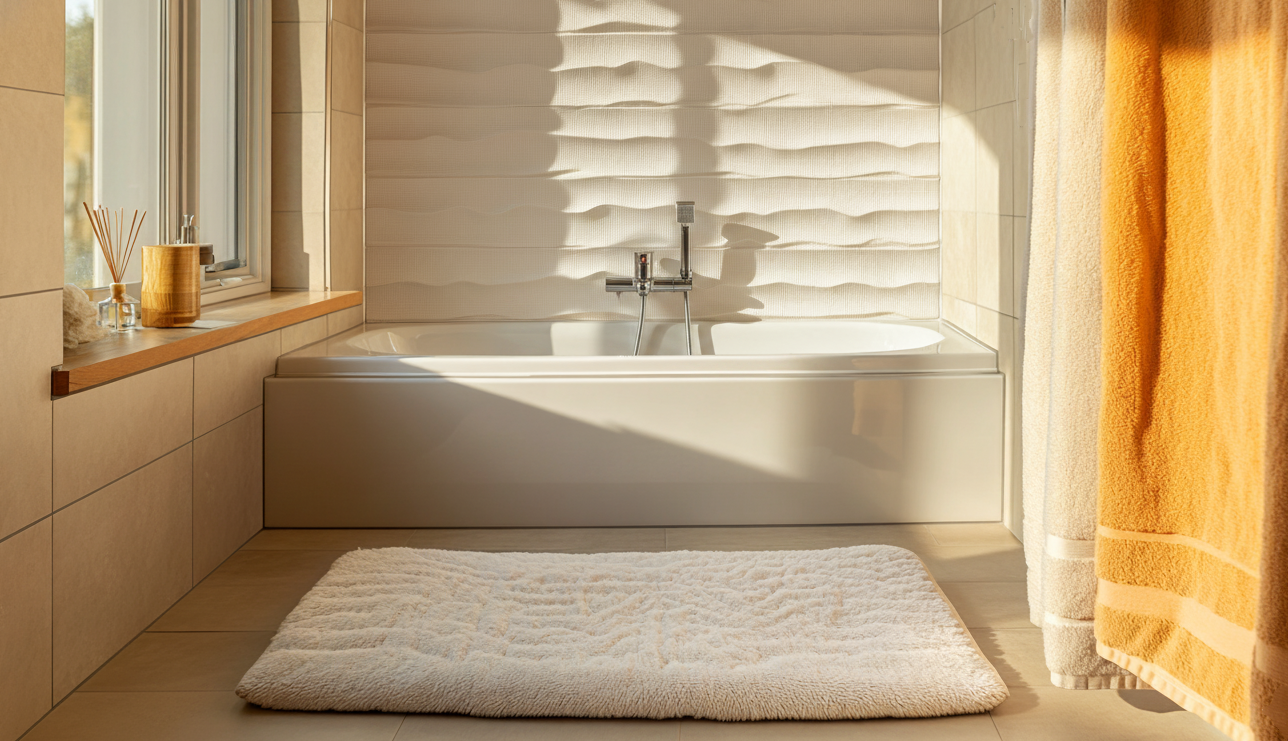
Echo comes from sound reflecting off the bathroom's hard tile and glass surfaces, and it is reduced by adding absorption rather than by blocking. Lowering the echo makes the room sound quieter even when the same amount of sound is present.
Install moisture-resistant acoustic panels on an upper wall or ceiling area away from direct water contact. These panels absorb reflections without holding moisture the way fabric does.
Add soft textiles where they are practical, such as a plush bath mat, a fabric shower curtain, and towels, since these absorb mid and high frequencies. Keep the quantity reasonable so the materials can dry between uses.
Avoid overloading a bathroom with fabric to chase absorption. Trapped humidity in heavy textiles encourages mildew, so absorption in a bathroom should rely mainly on moisture-tolerant materials and good ventilation.
Choosing the Right Approach for Your Bathroom
Soundproofing a bathroom is most effective when you work from the biggest leak to the smallest. Start by sealing the door, then add mass to the walls, quiet the exhaust fan, insulate the plumbing, and finish by reducing echo with moisture-tolerant materials. The door and walls deliver the largest gains, while the fan, pipes, and surface treatments refine the result.
Because bathrooms combine several noise paths with real moisture constraints, the right combination of methods depends on the specific room. New York Soundproofing assesses and treats bathrooms and other noise-sensitive spaces for homes and businesses across the United States, matching each solution to how sound is actually traveling.